Ethical Issues are Increasingly Important for Engineers

A recent report from Sveriges Ingenjörer has shed light on the shifting priorities among engineers when it comes to choosing their employers.

The comprehensive survey, which included responses from 1,009 engineers, reveals a significant trend: engineers are increasingly prioritizing ethical practices, ecological responsibility, and equality in the workplace.

The findings indicate that a substantial 83% of engineers consider it important for their employers to actively engage in ethical matters—an increase of 12 percentage points from 2014. Furthermore, 84% of engineers underscore the importance of environmental stewardship on the part of their employer.

The report highlights a noteworthy point: these issues are particularly important to female engineers. While there is a growing concern among male engineers, the commitment to these matters remains much stronger among women.

Contrary to some beliefs that younger generations are more inclined towards ethical, sustainable, and equal workplaces, the report found no significant difference in opinions between younger and older engineers.

A follow-up survey, which included interviews alongside questionnaires, explored the consequences of employers' ethical failings. A striking 88% of engineers stated their work motivation would decline if their employer was involved in corruption. Meanwhile, 67% would not consider employment with a company engaged in environmentally harmful activities.

The implications are clear: to attract and retain engineering talent, employers must take an active stance on ethics and sustainability. Not only do these principles affect a company's reputation, but they are also crucial for successful recruitment and maintaining staff motivation, which ultimately impacts productivity and profitability.

As an organization committed to engineers and their professional values, EWB-SWE stands firmly behind the push for workplaces that respect these core principles, championing a future where ethical practice and sustainable development are at the heart of the engineering profession.

***

Read the article in Swedish on Sveriges Ingenjörer’s web “Etiska frågor allt viktigare för ingenjörerna” where you can download the full report as well.

Engineers Without Borders Sweden Partners with IT for Children to Empower Digital Education in Ghana

In an exciting development for global digital education, Engineers Without Borders Sweden (EWB-SWE) has announced a forthcoming collaboration with IT for Children, a non-profit organization based in Sweden with extensive operations in Ghana, West Africa. This partnership aims to leverage the expertise of Swedish engineers to foster digital literacy and skills among young students and teachers in Ghana.

A Synergy of Expertise and Compassion

EWB-SWE is renowned for its commitment to harnessing engineering skills for the greater good, particularly in areas that benefit underprivileged communities around the world. The organization's digitalization group stands at the forefront of this initiative, offering a wealth of knowledge and experience in cutting-edge technologies. IT for Children, on the other hand, has been instrumental in providing high-quality, free IT education to thousands of Ghanaian children and youth daily. Their mission is rooted in the belief that information and communications technology (ICT) is pivotal for the robust and sustainable development of a nation.

Volunteering Opportunities for Graduate Engineers

The collaboration presents a unique opportunity for graduate engineers eager to make a difference. Volunteers will mentor and teach IT for Children’s teachers in Ghana, covering vital areas such as web development, robotics, and 2D/3D animations. These sessions will be conducted remotely, allowing volunteers to contribute from anywhere, breaking geographical barriers and opening up a realm of possibilities for digital education.

A Shared Vision for the Future

“We at IT for Children are very excited to enter this partnership with Engineers without Borders. We are in constant need of engineering expertise in our operations in Ghana. I know that there are so many engaged and skilled engineers out there who have so much to offer. We are very grateful if some of these engineers will offer their time and knowledge to our students and teachers in Ghana,” expressed Torsten Kjellgren, Founder & CEO of IT for Children.

About IT for Children

IT for Children operates with a vision that echoes the transformative power of ICT in education. Situated in Ghana, they strive to equip the next generation with the tools and knowledge necessary to contribute to their country's development. Their work underscores the importance of accessible, quality education as a cornerstone for progress.

Join the Movement

– This partnership between EWB-SWE and IT for Children marks a significant step towards bridging the digital divide and empowering young minds in Ghana with the skills needed for the future. We would like to encourage engineers who wish to volunteer and be part of this cause to get in touch. Your expertise can make a real difference, said Caroline Edelstam, Secretary-General of EWB-SWE.

Both organisations look forward to this collaboration, and believe that the combined efforts of Engineers Without Borders Sweden and IT for Children will pave the way for a brighter, more connected world.


EWB-SWE Gains Support from Alstom Foundation for WASH Projects in Tanzanian Schools

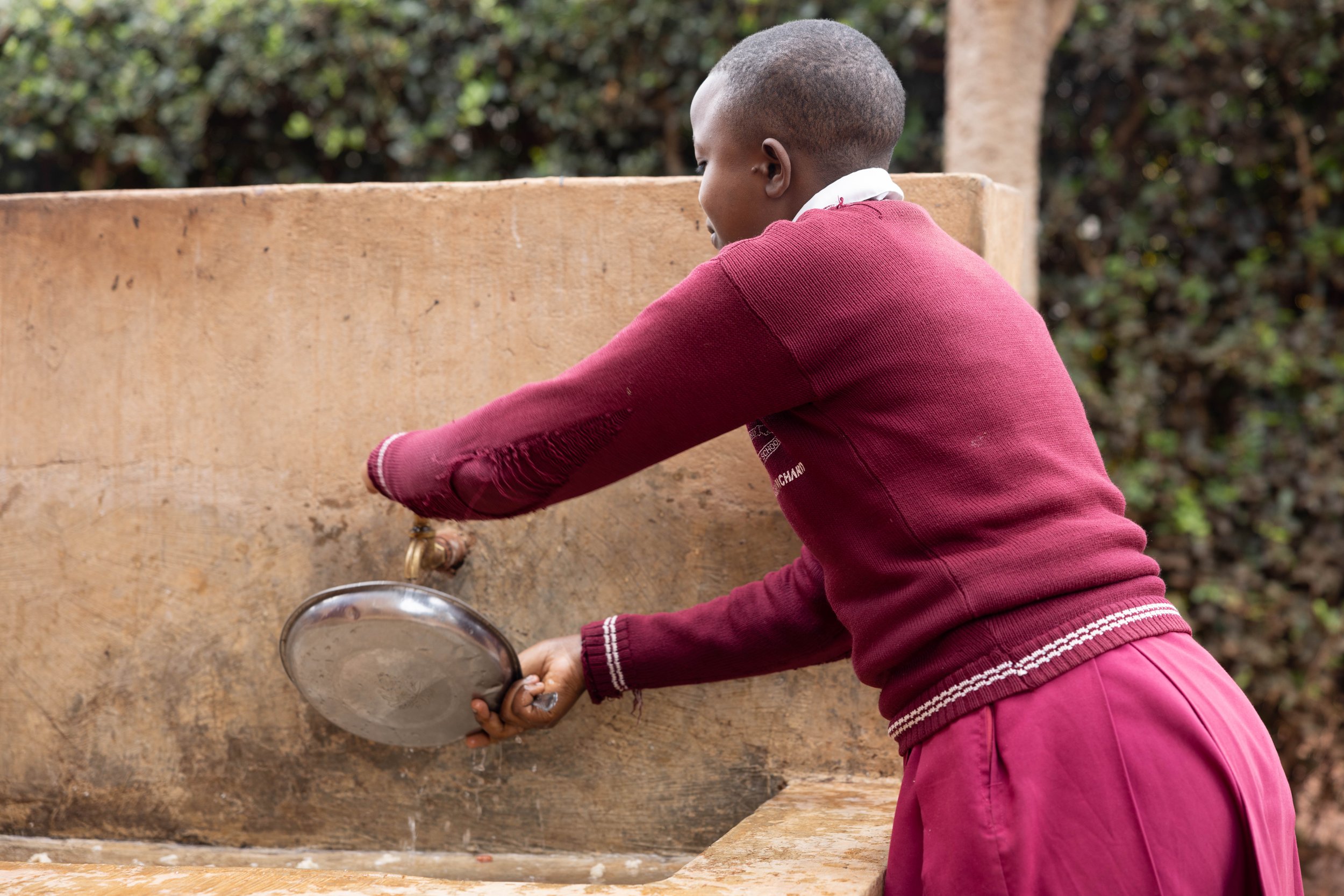
Engineers Without Borders Sweden (EWB-SWE) has received support from the Alstom Foundation to increase efforts in supporting children’s education through better Water, Sanitation, and Hygiene (WASH) access in Karagwe, Tanzania. This effort builds on EWB-SWE's ongoing work in improving vital services in rural Tanzanian areas.

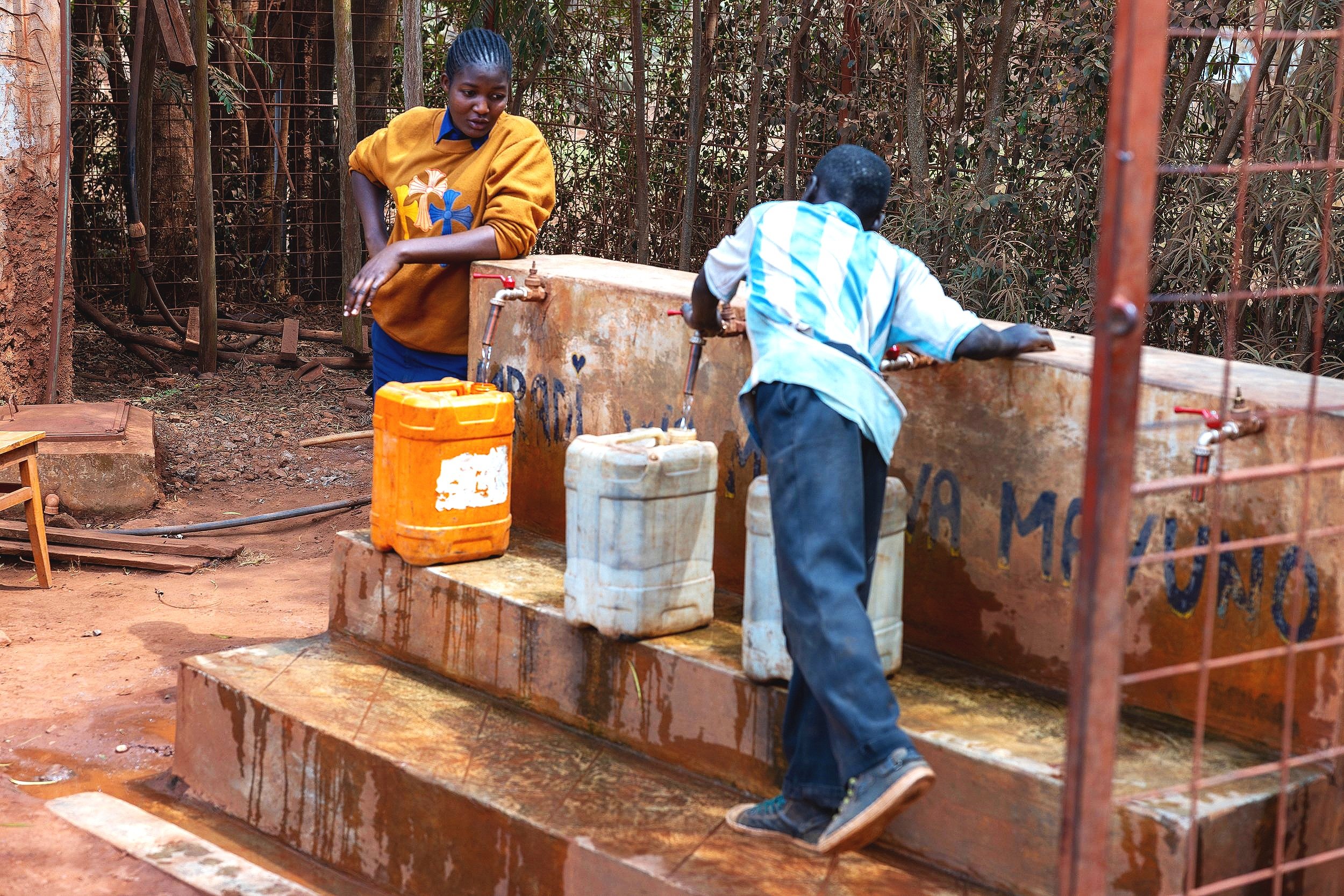
Working with the Mavuno Project, a local non-profit organisation, EWB-SWE has already built 25 water tanks in schools, providing clean water to around 20,000 children and 160 adults. This has led to better health, more regular school attendance, and improved school performance—with reports showing up to a 25% increase in one school's results.

The contribution from the Alstom Foundation will allow EWB-SWE to expand their WASH activities. The project will pay special attention to girls' education by adding specific sanitary and hygiene measures and campaigning for better understanding and support. This includes working with the Maji Safi Group, experts in Menstrual Health Hygiene (MHH).

The funds will be used for:

  • Improving access to safe drinking water, clean toilets, and facilities for hygiene and menstruation in schools.

  • Building skills and spreading the word about Menstrual Hygiene Health (MHH) and how to maintain clean water, to make a lasting difference.

  • Increasing the involvement of government in school services.

  • Keeping track of progress, evaluating success, and learning from the project's outcomes.

The aim of the project is to make a positive change in the education of 2,400 girls and 2,300 boys in five schools by improving health and ensuring they can attend school regularly. The plans include:

  • Building two new rainwater tanks for 1,600 children and 20 teachers, leading to better health, 70 more hours of class time each day, and 380,000 litres of water every year.

  • Constructing 40 ecosan toilets in two schools for 1,900 children.

  • Making two special rooms for hygiene and menstruation care for 460 girls.

  • Teaching 500 people, including government workers, community members, and teachers from the five schools about MHH, to increase knowledge and stop the shaming of menstruation.

  • Strengthening talks with the local government to push for better education facilities.

With these steps, EWB-SWE is determined to improve the educational experiences of students in Tanzania by showing the important link between education, health, and access to clean water and sanitation facilities.

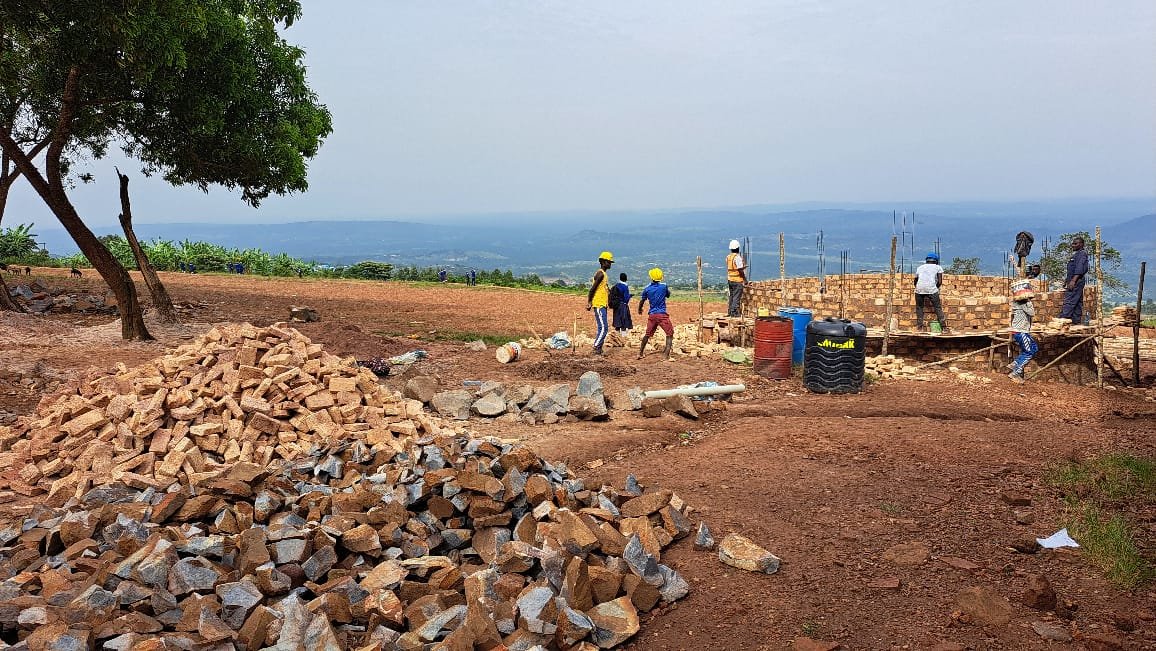
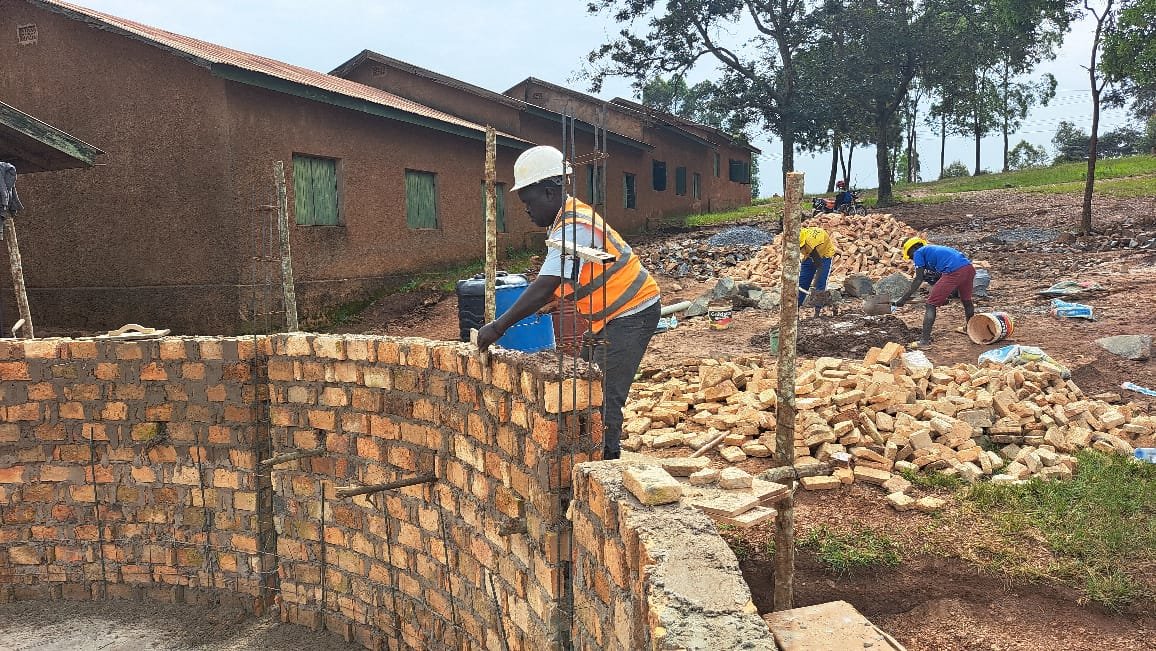
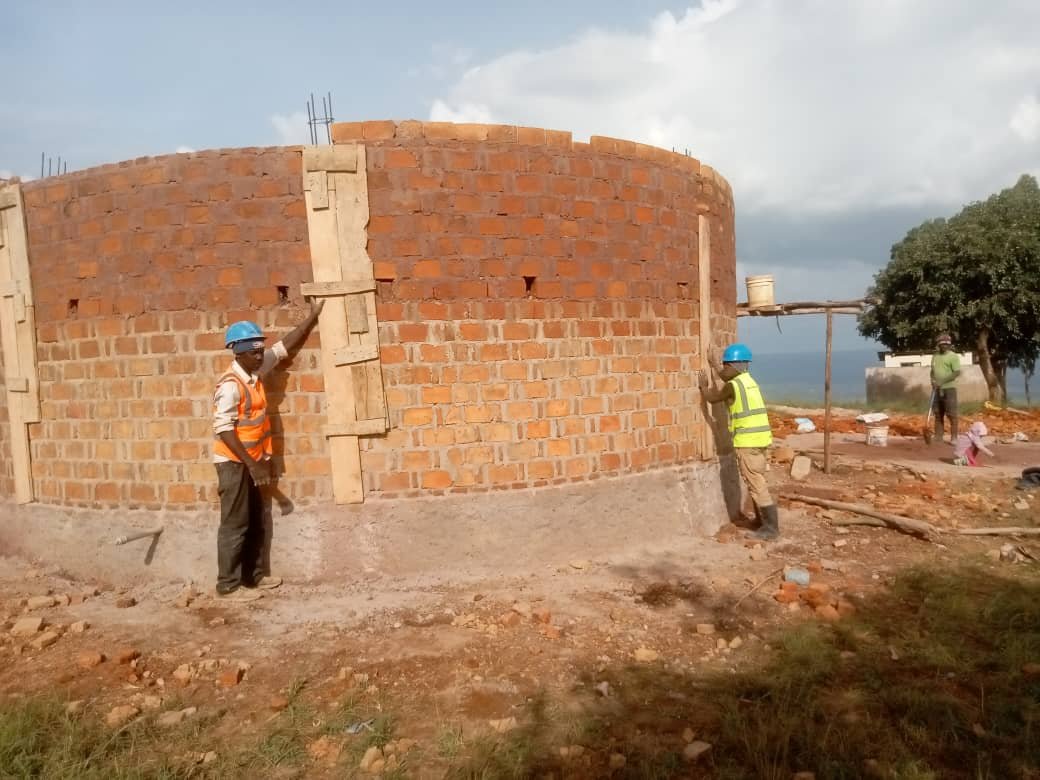
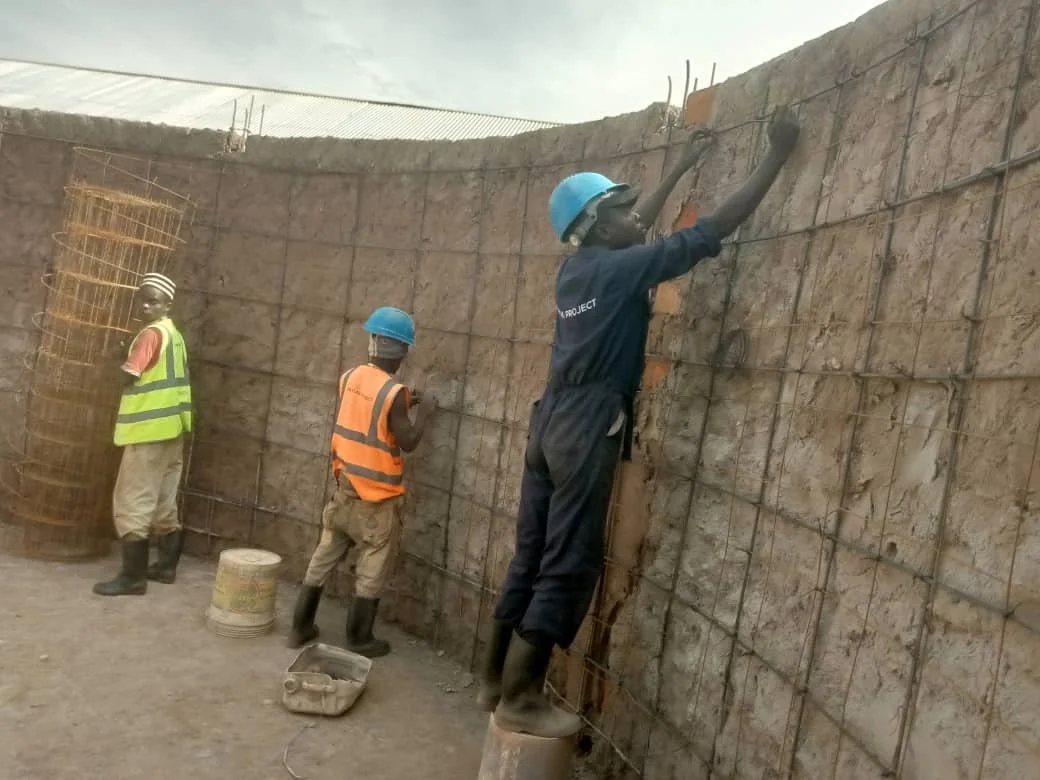
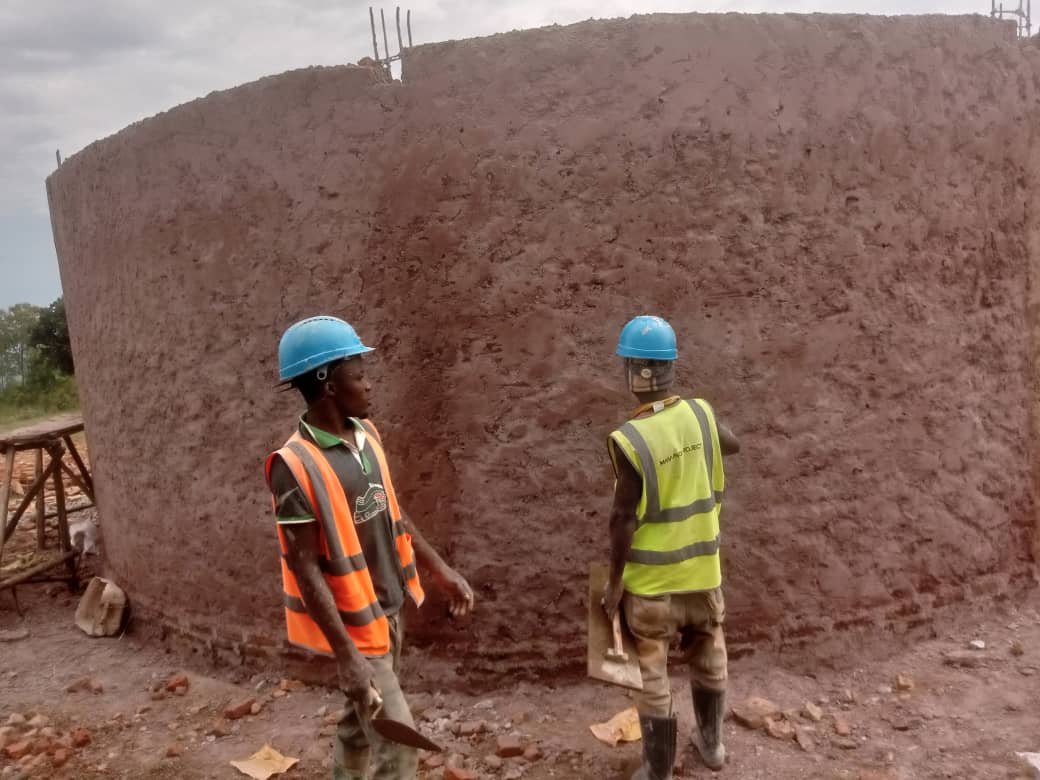
The images below are from the construction of the new water tank at Nyakabila Primary School in Nyakasimbi, Karagwe District, Kagera, Tanzania. The first images are from February, and the three below are from this month.

See images from the project

World Social Justice Day: Promoting Fairness and Empowerment

Established in 2007 and first observed in 2009, the United Nations General Assembly designated 20 February as World Day of Social Justice, also known as Social Justice Equality Day. This international day recognizes the need to promote social justice, which includes efforts to tackle issues such as poverty, exclusion, gender inequality, unemployment, and human rights.

This day provides an opportunity to reflect on the progress of the work that has been done over the years and to identify the challenges that still remain. It also serves as a reminder of the efforts necessary to build a fairer and more inclusive society for everyone.

Social justice is a basic principle that guides the work of organizations like EWB-SWE. Our aim is to harness the skills of engineers and technical professionals to power innovative solutions and solve challenges related to inequality and global development in Sweden and around the world. EWB-SWE's commitment to social justice is manifested in various ways:

Empowering Communities:

EWB-SWE believes in empowering communities to identify their own needs and priorities and come up with sustainable solutions. We work hand-in-hand with local grassroots organizations to bring lasting, positive change, sharing knowledge and finding sustainable solutions that truly work.

Fair Access to Resources:

EWB-SWE advocates for fair access to resources such as clean water, healthcare, and education. Many of our projects are linked to schools, aiming to improve education, while others are connected to healthcare facilities. These basic needs are crucial for promoting social justice and improving the lives of communities.

Gender Equality:

We recognize that gender equality is key to achieving social justice. We hold that everyone should be entitled to a safe life and the opportunity to reach their full potential. EWB-SWE initiates projects aimed at ensuring that women and girls have equal access to education and opportunities in their communities.

Sustainable Practices:

We understand the intrinsic connection between social justice and environmental stewardship. We integrate sustainable solutions into our projects to ensure everyone's right to a sustainable future.

On World Social Justice Day, organizations like EWB-SWE play an important role by promoting fairness, empowerment, and justice across the globe. By working together, we can strive towards a future where everyone enjoys the same rights, opportunities, and access to resources, regardless of their origin or circumstances. Together, we can build a fairer and more inclusive society for all.

Read more about Social Justice Day on the UN.org: https://www.un.org/en/observances/social-justice-day

Article in Global Bar Magazine about Mavuno Modal Girls Secondary School

The article "Tanzania: The School Where Girls' Dreams Take Flight," by Elin Persson in Global Bar Magazine, highlights the success of Mavuno Modal Girls Secondary School in Tanzania, which has been significantly supported for many years by EWB Sweden in cooperation with EWB Germany.

BRIEF SUMMARY

Located in the Kagera region near Lake Victoria, the boarding school for girls offers education and protection against early marriage, a common practice in rural areas despite being illegal before age 18. The school, celebrated for its empowered students and dedicated teaching staff, ranked 53rd out of 5,060 high schools in national exams. Key to its success are the self-motivation of the girls, who see education as a pathway out of poverty, and the strong community ownership of the school, which is celebrating its 30th anniversary in 2024. The school also addresses challenges such as menstrual hygiene and access to clean water, significantly improving attendance and health outcomes. Through education, the school aims to provide a foundation for girls to achieve their dreams, becoming leaders and professionals in their communities.

GLOBAL BAR MAGAZINE

Global Bar Magazine is Sweden’s leading magazine on global issues, aiming to cover global development issues with a focus on the Global South, development cooperation, sustainability, new solutions and human rights. Most of the articles are in Swedish, there are articles in English and Spanish as well. The magazine has 30 000 readers per month.