Apply Now for a Master Thesis Project with Engineers Without Borders Sweden: Supporting the Tumaini Open School in Tanzania

Are you ready to make a real-world impact while completing your Master’s thesis? Engineers Without Borders Sweden (EWB-SWE) is inviting motivated students to contribute to the Tumaini Open School project in Tanzania through two unique thesis opportunities; one focusing on flood prevention and topographic study, and the other focusing on drinking water supply and grey water management.

This project supports young mothers who have been excluded from formal education by providing an inclusive, stigma-free learning environment. EWB-SWE and the Tumaini Education Initiative are working to expand this initiative, making education and vocational training accessible to young mothers in the rural region of Tabora.

Project background

For over six decades, Tanzanian policies excluded adolescent mothers from the public education system, resulting in tens of thousands of dropouts annually. Though these restrictive policies have been lifted, many young mothers remain disconnected from education due to stigmatisation and lack of resources. The Tumaini Open School aims to bridge this gap by offering education from grades I-IV and vocational training to support 450 adolescent mothers and their children upon project completion. Located in Isukamahela village, this facility will provide housing, child care, healthcare, and a range of vocational training classes tailored to the needs of the Tanzanian job market.

Master Thesis Opportunities

1. Flood Prevention and Topographic Study

This project focuses on flood prevention to safeguard the Tumaini Open School’s site. Heavy seasonal rains pose a significant risk to the self-sufficiency of the school’s agricultural activities. This thesis will involve:

  • Conducting a flood risk analysis and identifying flood-prone areas on the site

  • Designing strategies for water collection and usage to support agricultural and sanitation needs

  • Analysing data and proposing technical solutions for effective water management

Duration: 30 hp
Fieldwork: Three months in Tanzania early in the year

2. Drinking Water Supply and Grey Water Management

Ensuring a sustainable water supply and effective grey water management is essential for the Tumaini Open School. This thesis project will focus on:

  • Evaluating the capacity of the existing borehole water supply and exploring alternatives, such as artificial groundwater recharge

  • Developing solutions for grey water management to reduce environmental impact and improve sanitation

  • Integrating these water management solutions with the school’s self-sufficiency objectives

Duration: 30 hp
Fieldwork: Three months in Tanzania early in the year

Why Apply?

This is a unique chance to:

  • Gain hands-on experience in sustainable development within a multidisciplinary team

  • Address real-world engineering challenges and make a meaningful difference in the lives of young mothers and their children

  • Develop skills in project planning, fieldwork, and technical problem-solving with support from experts at EWB-SWE and the Tumaini Education Initiative

How to Apply

Interested students are encouraged to apply by reaching out via thesisadvertisements@chalmers.se. Please include:

  • Your course and area of study

  • A brief statement on your interest in this project and how your background aligns with the goals of the Tumaini Open School

Join us in building a brighter, more inclusive future for Tanzania’s adolescent mothers. Apply now and let your thesis make a difference!

Important Resources

Read the Thesis Proposal 1 here!

Read the Thesis Proposal 2 here!

Read more about the projects at The Tsumaini Open School in Tanzania

Annual SIK Seminar on New Standards for Impact Measurement and Reporting

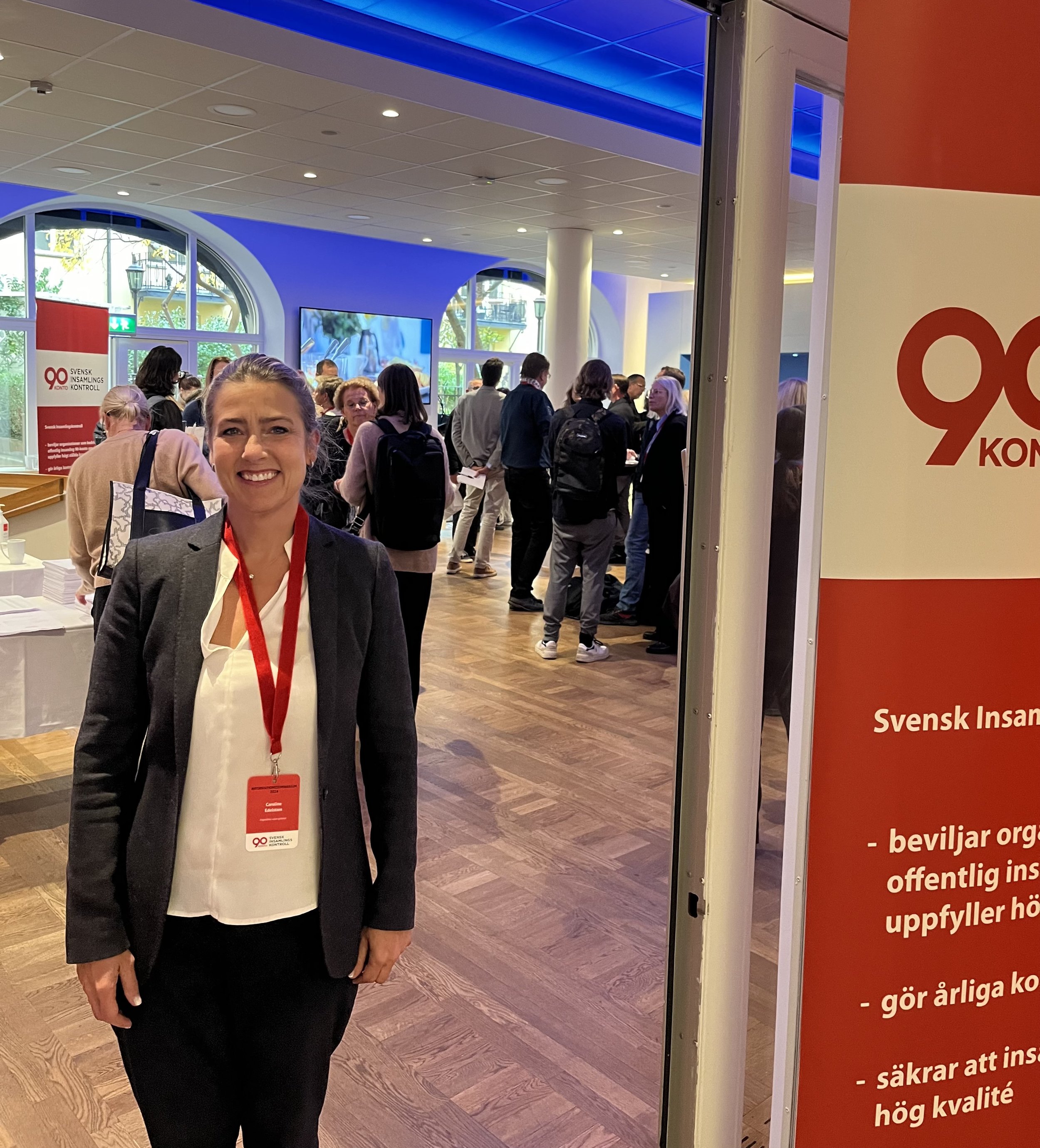
Today, representatives from EWB-SWE's Secretariat attended the annual seminar organised by Swedish Fundraising Control / Svensk Insamlingskontroll, focusing on impact measurement and the new standards guiding this for our work important area. Held at the IVA Conference Centre in Stockholm, the seminar covered a range of topics vital to ensuring accountability and transparency in non-profit reporting.

Key insights were shared by Erik Lundbom from Verian on public awareness of 90-accounts, and Johan Sverker from Sverker & Sverker, who presented the new Swedish standard for measuring social and environmental impacts. Emelie Joachimsson from Effektfullt discussed how this standard influences reporting outcomes, especially in financial and impact reports.

The session also featured a panel discussion where best practices were exchanged, including the award-winning annual report from ALEF’s Adam Bott. The event closed with a moving presentation from Bo Wallenberg of Skandinaviska Barnmissionen, highlighting the critical work in delivering aid to war-affected children and families in Ukraine.

We found the seminar both interesting and inspiring. At EWB-SWE, we share the view that setting and following up on impact goals is crucial for ensuring the effectiveness of our operations, both for our national activities and international projects. We are committed to contributing to positive and long-term change in the communities where we are active.

We will post the presentations from the seminar here when they are are distributed.


About Swedish Fundraising Control

Swedish Fundraising Control is a non-profit organisation ensuring that public fundraising in Sweden is properly supervised and transparent. It grants 90-accounts to approved organisations that meet strict standards, helping to ensure efficient and ethical fundraising. Governed by representatives from major labour and business organisations, Swedish Fundraising Control provides guidance and information to both the public and 90-account holders.


October 24th – United Nations Day: A Global Call for Unity and Action

October 24 marks United Nations Day, commemorating the creation of the UN and its enduring mission to unite countries around solutions to the world’s most pressing challenges. Since 1945, the United Nations has been a source of hope, tackling issues from poverty eradication and gender equality to climate change and digital innovation. The need for global collaboration has never been more urgent.

At Engineers Without Borders Sweden (EWB-SWE), we resonate with the values of the UN, especially when it comes to advancing sustainable development and creating positive impact through engineering. Whether through clean water projects, sustainable sanitation systems like Ecosan toilets, or renewable energy solutions, our international projects reflect a commitment to the UN’s Sustainable Development Goals (SDGs). By working across borders, cultures, and disciplines, we provide practical engineering solutions that empower communities and foster resilience in regions facing crises.

Engineering for a Better World

Much like the UN, EWB-SWE believes that global challenges require global solutions. Our engineers contribute to bridging the gaps where resources are scarce, working on projects that tackle both immediate needs and long-term sustainability. From designing eco-friendly sanitation systems in schools to developing water access strategies in rural communities, we aim to build not only infrastructure but also local capacity, promoting peace, prosperity, and equality through our work.

This UN Day, we celebrate the power of international cooperation and the role of engineering in driving change. Together, with organisations like the UN, we continue our mission of creating a world where everyone has access to the opportunities they need to thrive.    


In today’s troubled world, hope is not enough. Hope requires determined action and multilateral solutions for peace, shared prosperity and a thriving planet. Hope requires all countries working as one. Hope requires the United Nations.

António Guterres

Read more and take THE UN quiz here!

Interview with Clara Timothy, Project Leader of the Durable Beekeeping for Sustainable Livelihoods Project

We had the opportunity to connect with Clara Timothy, the dedicated Project Coordinator at MAVUNO, who leads the Durable Beekeeping for Sustainable Livelihoods Project in Chonyonyo, Tanzania. With a passion for environmental conservation and community development, Clara shared her insights into the project's goals, its potential impact on the local community, and the challenges and opportunities facing the region’s beekeepers.

What inspired you to take on the role of coordinating this beekeeping project in Chonyonyo, and what impact do you think it will have on the local community?

My name is Clara Timothy, and I am the coordinator of the Beekeeping Project at MAVUNO. I was motivated to take on this role because beekeeping is one of the few agricultural activities that does not require a high level of investment, making it accessible to many. More importantly, it has great potential to contribute to environmental conservation. This project offers significant economic opportunities, not only for beekeepers but also for the wider community.

In terms of impact, beekeeping provides a unique way to fight poverty, particularly for landless subsistence farmers. It enhances agricultural production through pollination and also contributes to nutrition and food security. Since beekeeping doesn’t produce pollution or waste, it’s inherently sustainable over time. Additionally, it empowers women and youth because it requires minimal resources to get started. And, of course, it plays an essential role in maintaining biodiversity.

How do you see the introduction of modern beekeeping techniques and equipment improving the lives of the farmers, and what challenges might arise with adopting these new practices?

The introduction of modern beekeeping techniques will have a positive effect on both the yield of bee products and the incomes of local farmers. It will significantly improve the welfare of the community because it addresses the livelihood needs of beekeepers in a sustainable way.

However, there are challenges to adopting these modern techniques. One of the main barriers is the initial cost of investment, which can be quite high, as farmers require technical support and services that are often inaccessible. There is also a lack of effective extension services, which makes it harder for farmers to adopt these techniques. Additionally, the absence of standardisation of bee products and inadequate processing and packaging facilities make it difficult to guarantee the quality of the products and limit market access. Climate change also poses a threat, as it directly impacts beekeeping practices.

Looking to the future, how do you envision the growth of the beekeeping sector in Chonyonyo, and what role do you think it will play in achieving broader sustainability and economic goals for the region?

The growth of the beekeeping sector will depend on several factors, including increasing awareness among beekeepers, growing the number of bee colonies, planting more trees to support bee foraging, and improving living standards for the local community. If we can increase the number of beekeepers and beneficiaries in the project, we can also increase the volume of bee products and income generation.

In terms of broader sustainability and economic goals, beekeeping is an ideal solution. It requires few resources and can generate a stable income. It also plays a vital role in the ecosystem by pollinating various crops, which supports agriculture. The income generated benefits both skilled and unskilled workers, and the best part is that it can be practised on a small amount of land. Unlike other activities, bees feed themselves, and people are only responsible for planting trees to ensure that bees have sufficient forage.


Read more about the project on our project page.

You are also most welcome to support this important project. Please visit our “Support us” page to find out how!

Go to project page
Support the project!

Apply for Master’s Thesis Proposals with Build Up Nepal

Are you passionate about innovative construction methods, sustainability, and contributing to real-world impact? Build Up Nepal is now offering exciting opportunities for students to complete their Master’s thesis while supporting rural development and earthquake resilience in Nepal.

We invite motivated students to apply for our Master’s Thesis Opportunities and collaborate with us on projects that make a difference!

Below are the available Master’s Thesis topics. Please find more information about each proposal by clicking on the link. BY clicking the green button at the bottom of the page you will come to our recruitment platform, where you can submit your interest.

Available Master’s Thesis Proposals:

If you are ready to work hands-on with our team and take part in innovative, real-world challenges, we encourage you to apply. If you cannot access the links and files above, please go to this Dropbox link where you can find and download the proposals as PDFs.

How to Apply:

Go to our recruitment platform Teamtailor and select the thesis proposal you’re interested in. You can submit your application through the platform. Please read the fact sheets above about the proposal you are interested in first. You can apply for more than one proposal.

Apply HERE!

If you have any additional questions, feel free to contact Henrik Gustavsson at henrik.gustavsson@ewb-swe.org