New collab with Architects Without Borders Sweden

Engineers Without Borders Sweden (EWB-SWE) is pleased to announce a new collaboration with Architects Without Borders Sweden (ASF-Sweden) to advance sustainable and equitable development in the built environment. This partnership aims to leverage the combined expertise of both organisations to create impactful solutions for communities in need.

ASF-Sweden, founded in 2006, is a non-profit, non-religious, and non-political organisation dedicated to improving access to safe, sustainable, and equitable development of the built environment, both locally and globally. They work on projects ranging from placemaking in informal settlements to constructing essential community buildings, always emphasising participatory design in collaboration with local communities.

Emma Shepherdson, Chairperson of ASF-Sweden, expressed her enthusiasm for the partnership:

“We are pleased to collaborate with Engineers Without Borders Sweden in contributing to the global effort toward sustainable and equitable development of the built environment. Together, we can combine our expertise in architecture and engineering to create meaningful solutions that empower communities and foster positive change through interdisciplinary teamwork.”

Caroline Edelstam, Secretary General of EWB-SWE, echoed this sentiment:

“We are excited to collaborate with Architects Without Borders Sweden to promote sustainable and equitable development. By combining our expertise in engineering and architecture, we can support communities with impactful and meaningful solutions where they are most needed. Architects Without Borders plays a crucial role in creating inclusive, culturally sensitive, and sustainable designs that empower communities and enhance the quality of life for the most vulnerable populations.”

This collaboration represents a significant step toward achieving shared goals of sustainability and equity in development projects. By uniting the strengths of both organisations, EWB-SWE and ASF-Sweden aim to implement projects that not only address immediate needs but also contribute to long-term community resilience and empowerment.

For more information about ASF-Sweden and their initiatives, please visit their website.

Thank You, Sandvik: Empowering Girls Through Education in Tanzania

Engineers Without Borders Sweden (EWB-SWE) extends our heartfelt gratitude to Sandvik for their remarkable generosity in commemorating the Swedish industrial company Boliden AB's 100-year anniversary with a donation.

Sandvik’s donation will be instrumental in completing the final stages of the new Mavuno Upper Level Secondary High School for Girls in Karagwe, Kagera, Tanzania. The school building is almost ready, and the first students are expected to be welcomed next year. This contribution will greatly aid in preparing critical facilities such as computer rooms, reliable internet, and sustainable power—essential tools for a modern education.

At EWB-SWE, we strive to create lasting impact, not just for individuals but for entire communities. By empowering young women with access to education, we are helping to unlock their potential, while also driving positive change for their families and the society around them. Education has the power to transform lives, and initiatives like these ripple outward to improve health, livelihoods, and opportunities for many.

This project aligns closely with the United Nations Sustainable Development Goals (SDGs), particularly those related to quality education, gender equality, and reduced inequalities. Sandvik’s support strengthens our shared mission to create a more equitable and sustainable world, ensuring that the benefits of education extend well beyond the classroom.

Once again, thank you, Sandvik, for believing in the power of education and making a lasting impact. Together, we are paving the way for brighter futures, stronger communities, and a better world.

For more information about the school project in Karagwe and EWB-SWE's work, please visit our school project page!

EcoSan Toilets: A Sustainable Solution for Sanitation

EcoSan (Ecological Sanitation) toilets are an innovative and sustainable approach to addressing sanitation challenges, particularly in water-scarce regions. This solution is highly relevant for communities like Karagwe in Tanzania, where Engineers Without Borders Sweden (EWB-SWE) is working in partnership with local organisations to improve water and sanitation conditions.

What Are EcoSan Toilets?

EcoSan toilets are designed to promote safe sanitation while conserving water and recycling waste. Unlike conventional systems, these toilets separate urine and faeces at the source, allowing each to be treated and used beneficially. Urine, rich in nitrogen, can be diluted and used as fertiliser, while dried faeces can be transformed into nutrient-rich mulch suitable for agriculture. This approach not only manages waste sustainably but also provides a valuable resource for improving soil quality.

Key Features and Benefits

  1. Water Efficiency: EcoSan toilets require minimal water, making them ideal for areas with limited water resources.

  2. Sustainability: The reuse of waste as fertiliser supports agricultural productivity and reduces reliance on synthetic fertilisers, aligning with sustainable development goals (SDGs).

  3. Hygiene and Health: Proper separation and treatment of waste reduce contamination risks and improve public health outcomes.

  4. Cost-Effectiveness: Compared to water-intensive sanitation systems, EcoSan toilets have lower operational costs and can be implemented with locally available materials.

Genomförande i Tanzania

In collaboration with local partner Mavuno Project, EWB-SWE has introduced EcoSan toilets in schools to improve sanitation for students. This initiative addresses critical challenges, including:

  • Poor sanitation facilities, which particularly affect girls’ education due to inadequate menstrual hygiene support.

  • Overburdened water systems that cannot sustain conventional sanitation solutions.

The EcoSan pilot projects have demonstrated the feasibility and advantages of this system. The design includes dehydration chambers for faeces, which are treated with dry materials such as ash or sawdust to accelerate the composting process. Urine is collected and stored separately, then diluted for agricultural use.

Challenges and Considerations

While EcoSan toilets offer numerous benefits, their implementation requires careful planning and community involvement. Challenges include:

  • Maintenance: Regular management of dehydration chambers and storage tanks is essential.

  • Cultural Acceptance: Community education and engagement are crucial to overcome any cultural barriers and ensure proper use.

  • Scaling: Expanding the EcoSan approach to more schools and communities requires investment and training.

A Step Towards Sustainable Development

EWB-SWE’s efforts to integrate EcoSan toilets into schools in Karagwe and other places, reflect a commitment to sustainability, inclusivity, and equality. By addressing water and sanitation challenges, these initiatives not only improve health and education outcomes but also contribute to long-term community resilience.

EcoSan toilets exemplify how engineering solutions can align with local needs and global sustainability goals, offering a blueprint for other communities facing similar challenges. With continued collaboration and support, we believe that EcoSan toilets could become a cornerstone of sustainable sanitation worldwide. This is something we at EWB-SWE ar working for.

Apply Now for a Master Thesis Project with Engineers Without Borders Sweden: Supporting the Tumaini Open School in Tanzania

Are you ready to make a real-world impact while completing your Master’s thesis? Engineers Without Borders Sweden (EWB-SWE) is inviting motivated students to contribute to the Tumaini Open School project in Tanzania through two unique thesis opportunities; one focusing on flood prevention and topographic study, and the other focusing on drinking water supply and grey water management.

This project supports young mothers who have been excluded from formal education by providing an inclusive, stigma-free learning environment. EWB-SWE and the Tumaini Education Initiative are working to expand this initiative, making education and vocational training accessible to young mothers in the rural region of Tabora.

Project background

For over six decades, Tanzanian policies excluded adolescent mothers from the public education system, resulting in tens of thousands of dropouts annually. Though these restrictive policies have been lifted, many young mothers remain disconnected from education due to stigmatisation and lack of resources. The Tumaini Open School aims to bridge this gap by offering education from grades I-IV and vocational training to support 450 adolescent mothers and their children upon project completion. Located in Isukamahela village, this facility will provide housing, child care, healthcare, and a range of vocational training classes tailored to the needs of the Tanzanian job market.

Master Thesis Opportunities

1. Flood Prevention and Topographic Study

This project focuses on flood prevention to safeguard the Tumaini Open School’s site. Heavy seasonal rains pose a significant risk to the self-sufficiency of the school’s agricultural activities. This thesis will involve:

  • Conducting a flood risk analysis and identifying flood-prone areas on the site

  • Designing strategies for water collection and usage to support agricultural and sanitation needs

  • Analysing data and proposing technical solutions for effective water management

Duration: 30 hp
Fieldwork: Three months in Tanzania early in the year

2. Drinking Water Supply and Grey Water Management

Ensuring a sustainable water supply and effective grey water management is essential for the Tumaini Open School. This thesis project will focus on:

  • Evaluating the capacity of the existing borehole water supply and exploring alternatives, such as artificial groundwater recharge

  • Developing solutions for grey water management to reduce environmental impact and improve sanitation

  • Integrating these water management solutions with the school’s self-sufficiency objectives

Duration: 30 hp
Fieldwork: Three months in Tanzania early in the year

Why Apply?

This is a unique chance to:

  • Gain hands-on experience in sustainable development within a multidisciplinary team

  • Address real-world engineering challenges and make a meaningful difference in the lives of young mothers and their children

  • Develop skills in project planning, fieldwork, and technical problem-solving with support from experts at EWB-SWE and the Tumaini Education Initiative

How to Apply

Interested students are encouraged to apply by reaching out via thesisadvertisements@chalmers.se. Please include:

  • Your course and area of study

  • A brief statement on your interest in this project and how your background aligns with the goals of the Tumaini Open School

Join us in building a brighter, more inclusive future for Tanzania’s adolescent mothers. Apply now and let your thesis make a difference!

Important Resources

Read the Thesis Proposal 1 here!

Read the Thesis Proposal 2 here!

Read more about the projects at The Tsumaini Open School in Tanzania

Annual SIK Seminar on New Standards for Impact Measurement and Reporting

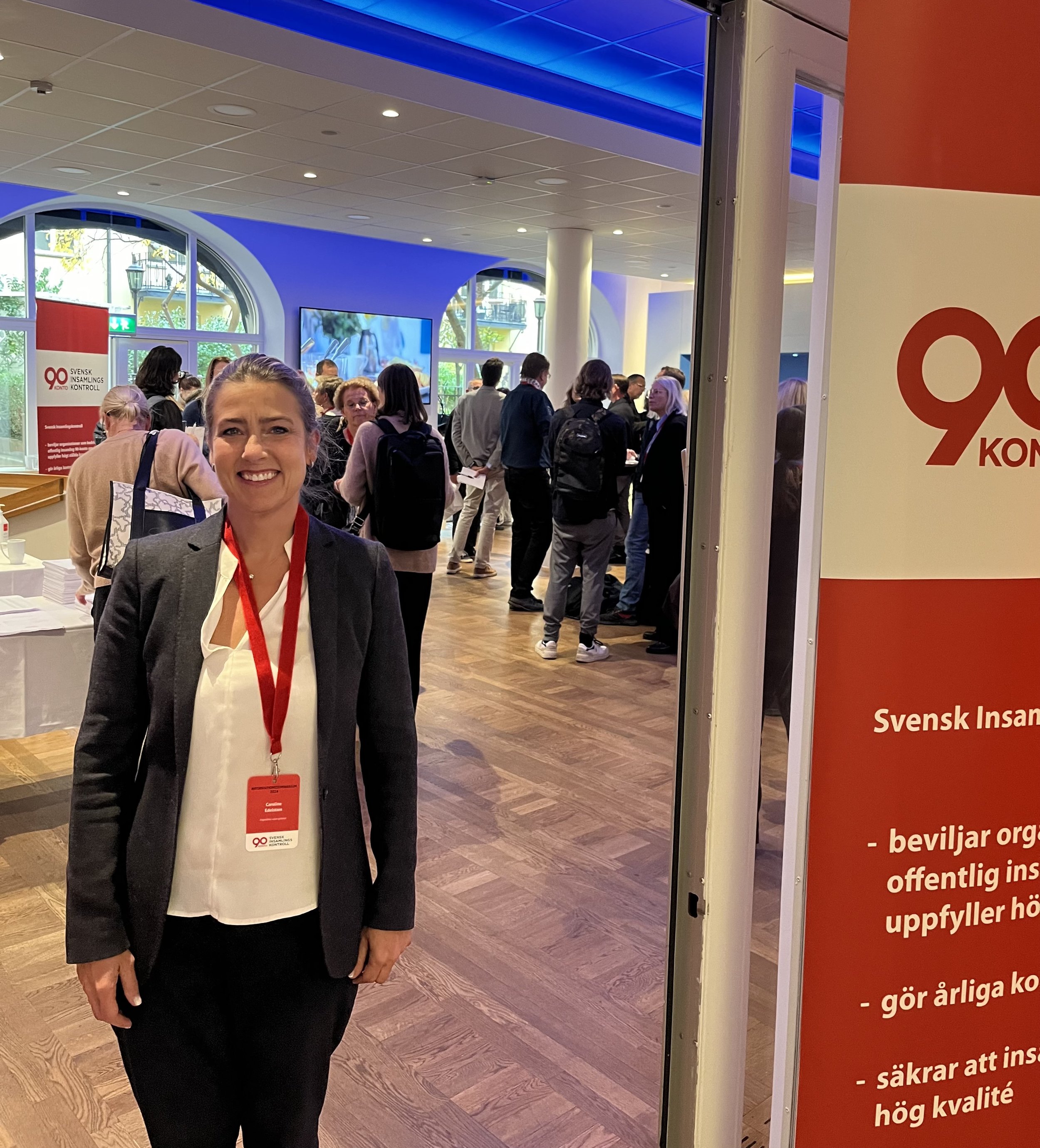
Today, representatives from EWB-SWE's Secretariat attended the annual seminar organised by Swedish Fundraising Control / Svensk Insamlingskontroll, focusing on impact measurement and the new standards guiding this for our work important area. Held at the IVA Conference Centre in Stockholm, the seminar covered a range of topics vital to ensuring accountability and transparency in non-profit reporting.

Key insights were shared by Erik Lundbom from Verian on public awareness of 90-accounts, and Johan Sverker from Sverker & Sverker, who presented the new Swedish standard for measuring social and environmental impacts. Emelie Joachimsson from Effektfullt discussed how this standard influences reporting outcomes, especially in financial and impact reports.

The session also featured a panel discussion where best practices were exchanged, including the award-winning annual report from ALEF’s Adam Bott. The event closed with a moving presentation from Bo Wallenberg of Skandinaviska Barnmissionen, highlighting the critical work in delivering aid to war-affected children and families in Ukraine.

We found the seminar both interesting and inspiring. At EWB-SWE, we share the view that setting and following up on impact goals is crucial for ensuring the effectiveness of our operations, both for our national activities and international projects. We are committed to contributing to positive and long-term change in the communities where we are active.

We will post the presentations from the seminar here when they are are distributed.


About Swedish Fundraising Control

Swedish Fundraising Control is a non-profit organisation ensuring that public fundraising in Sweden is properly supervised and transparent. It grants 90-accounts to approved organisations that meet strict standards, helping to ensure efficient and ethical fundraising. Governed by representatives from major labour and business organisations, Swedish Fundraising Control provides guidance and information to both the public and 90-account holders.