
Vi hyllar kraften i gemensamma insatser: Internationella volontärdagen
/
I en värld full av utmaningar – ojämlikhet, global uppvärmning, orättvisa – bär vi alla på vår egen börda. Men där vissa upplever det som en börda, upptäcker andra sin styrka och hittar inspiration att agera. FOTO: UNV
I år, när världen firar den internationella volontärdagen (IVD) den 5 december, ligger fokus på den förändrande kraften i gemensamma insatser – ett tema som ligger Ingenjörer utan gränser (Ingenjörer utan gränser) mycket nära hjärtat. Med det underliggande budskapet ”om alla gjorde det” lyfter denna dag fram de gränslösa möjligheterna med volontärarbete när det gäller att driva på en positiv och hållbar utveckling, främja inkluderande samhällen och ta itu med globala utmaningar.
På Ingenjörer utan gränser är vi stolta över att vara ett levande bevis på volontärarbetets kraft. Vår organisation drivs av volontärernas engagemang – från professionella ingenjörer till andra specialister och hängivna studenter i stora universitetsstäder. Dessa personer utgör ryggraden i vår verksamhet och förkroppsligar volontärandans anda i varje projekt och initiativ.
862,4 miljoner frivilliga världen över
Enligt rapporten från 2022 från FN:s volontärprogram (UNV) finns det cirka 862,4 miljoner volontärer världen över, varav de flesta bedriver informellt volontärarbete på egen hand. Medan 14,3 % av världens befolkning ägnar sig åt detta informella volontärarbete, deltar 6,5 % i formellt volontärarbete genom organisationer. Intressant nog består de formella volontärerna främst av män, medan kvinnor oftare är informella volontärer.
Frivilliga spelar en avgörande roll
Frivilligarbete utgör en förnybar resurs för att hantera sociala, ekonomiska och miljömässiga utmaningar. Frivilliga är ofta de första som rycker in vid kriser och visar prov på en enorm motståndskraft och hängivenhet i svåra situationer. Deras roll är avgörande för att bygga inkluderande och fredliga samhällen samt för att uppnå mål som allmän utbildning, miljömässig hållbarhet och folkhälsa.
Att driva på en positiv förändring
På den internationella volontärdagen ansluter sig Ingenjörer utan gränser till det globala samfundet för att uppmärksamma och hylla volontärernas ovärderliga insatser. Våra egna volontärer spelar, genom sin expertis och sitt engagemang, en avgörande roll i vårt arbete för att skapa hållbara lösningar och driva på positiv förändring. Deras gemensamma insatser speglar temat för årets internationella volontärdag: den extraordinära påverkan som kan uppnås när alla bidrar.
#OmAllaGjordeSå
Vi vill gärna vara med och hylla volontärer världen över genom att använda hashtaggarna #IfEveryoneDid och #IVD2023. Denna dag, som instiftats av FN:s generalförsamling, är inte bara ett tillfälle att hylla volontärernas insatser utan också att dela värderingar, främja arbete i lokalsamhällen och samarbeta med icke-statliga organisationer, FN-organ, myndigheter och den privata sektorn.
I linje med UNV:s arbete för att främja erkännandet av volontärers insatser och integrera dem i utvecklingsprogrammen fortsätter vi på Ingenjörer utan gränser att mobilisera volontärer och utnyttja deras potential för att bidra till hållbar utveckling. Låt oss alla, på denna internationella volontärdag, uppmärksamma och hylla kraften i kollektiva insatser och den anmärkningsvärda skillnad som varje volontär kan göra när det gäller att skapa en bättre värld för alla.
Caroline Edelstam, generalsekreterare, Ingenjörer utan gränser
En tillbakablick på Ingenjörsdagen!
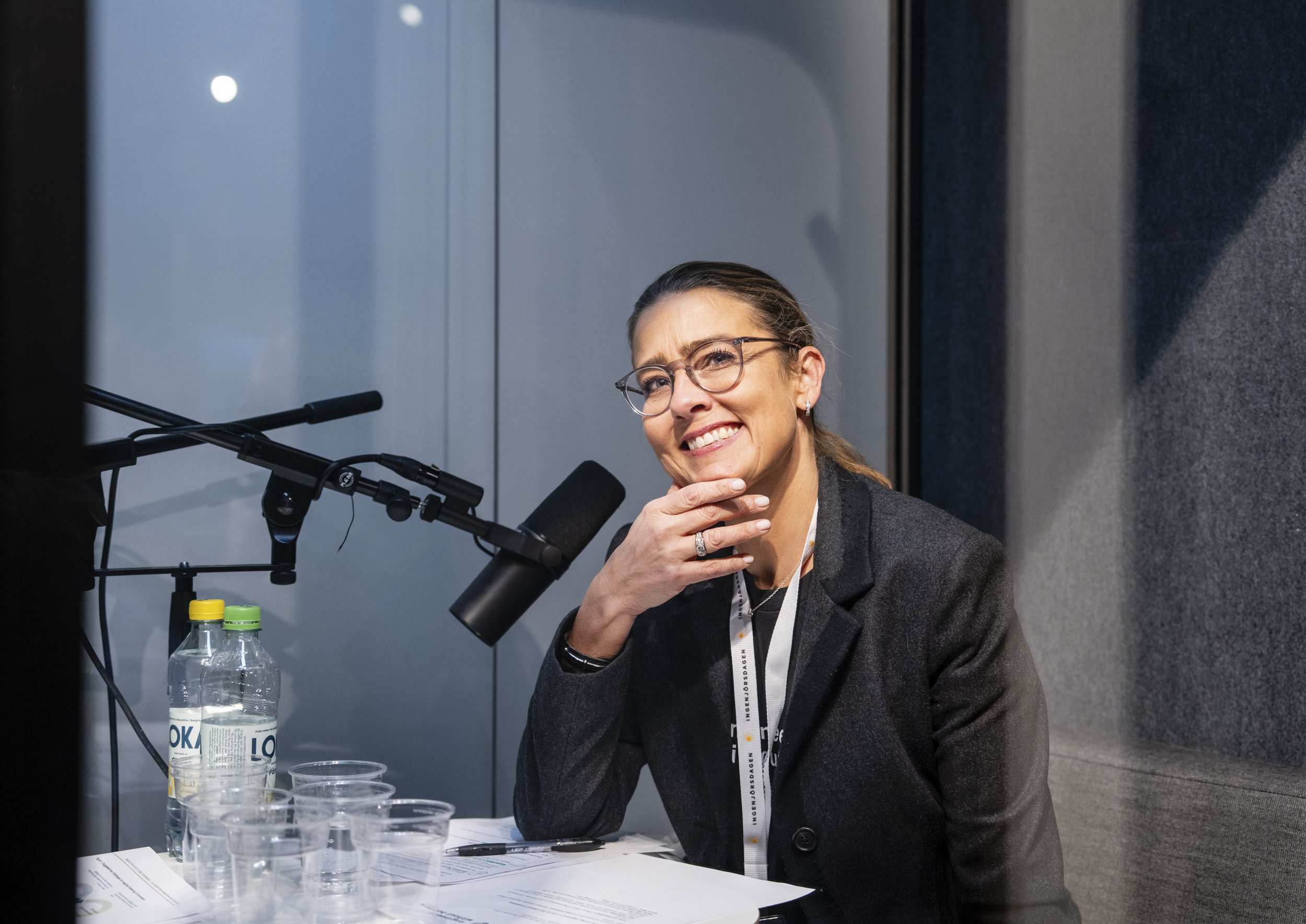
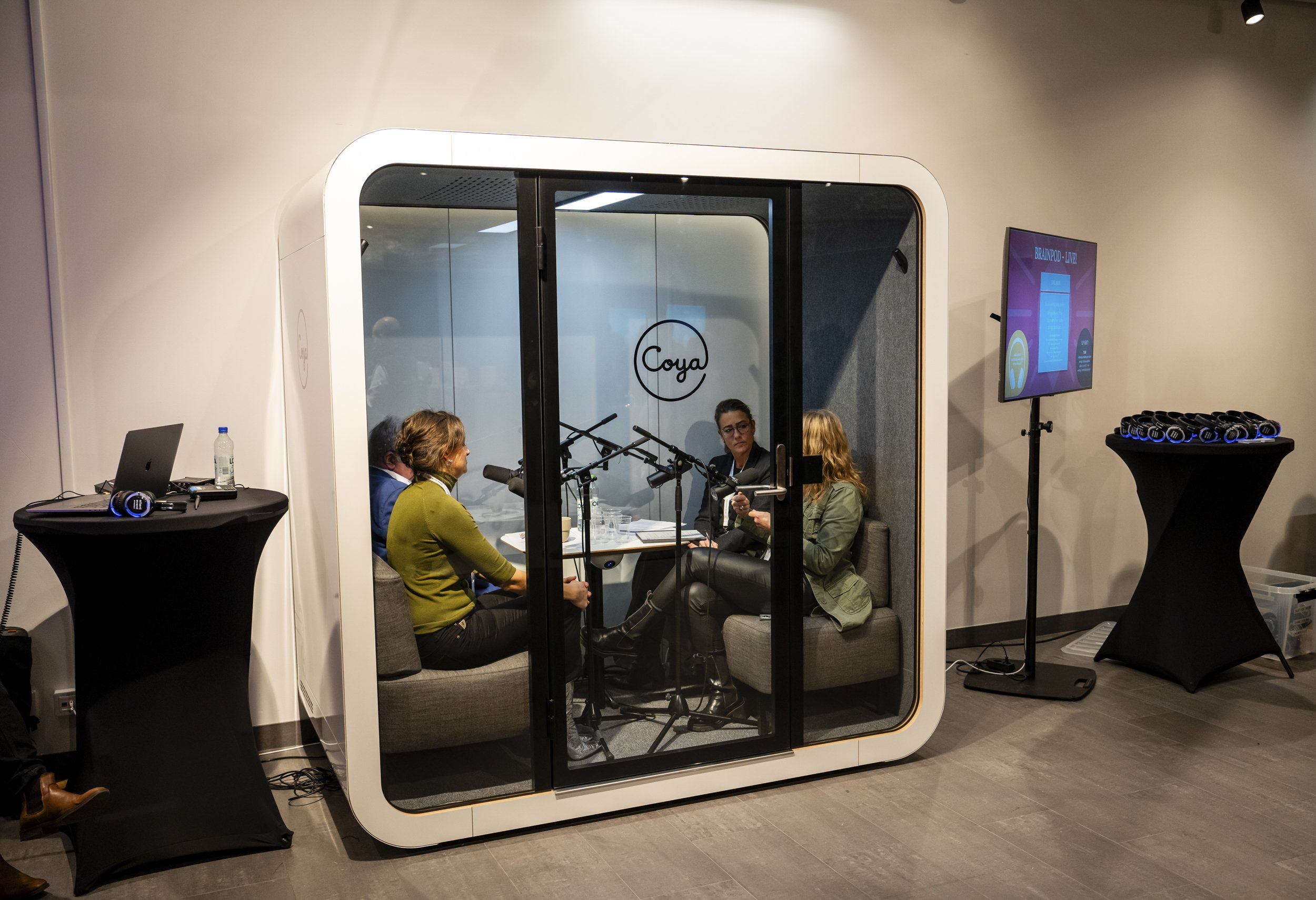
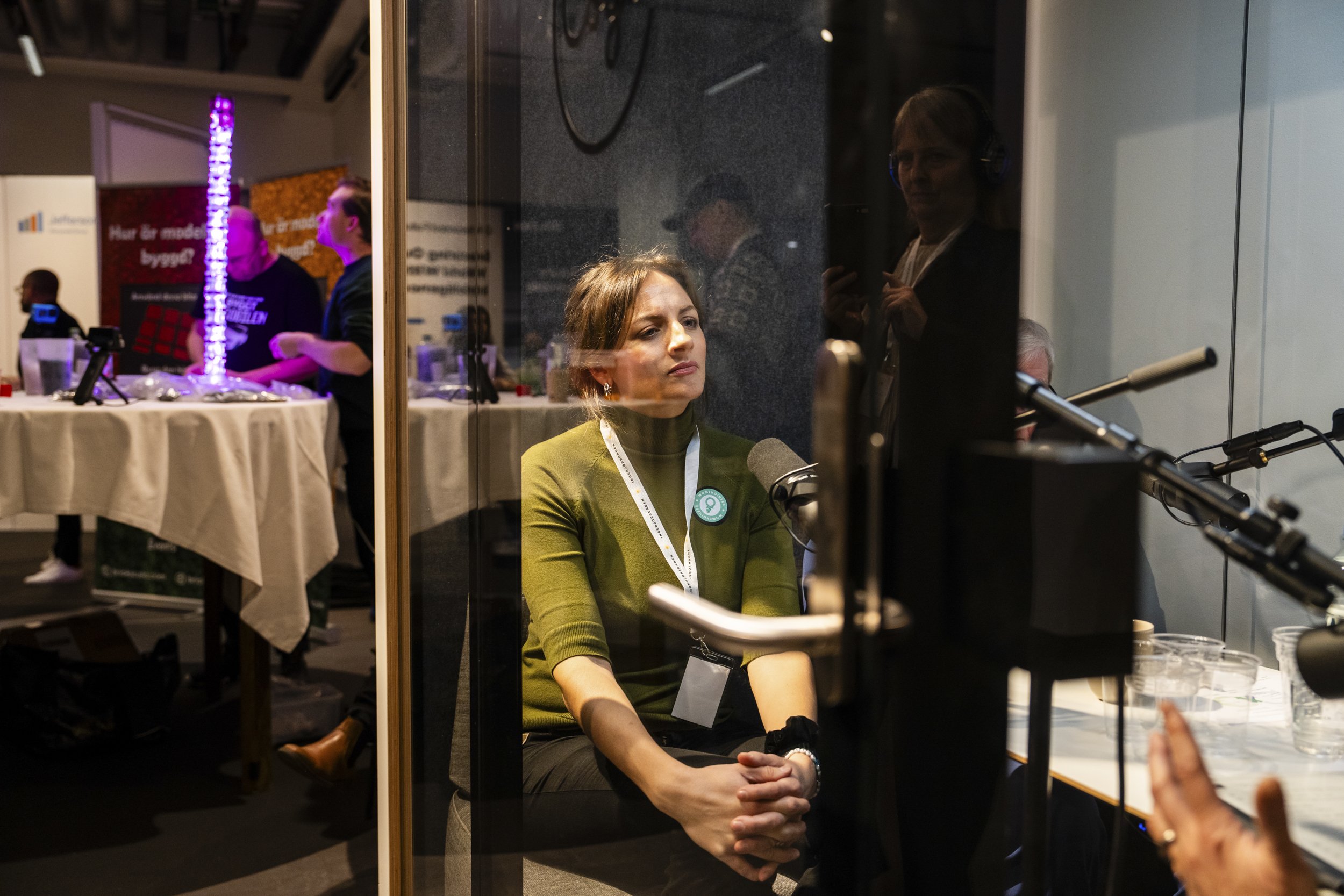
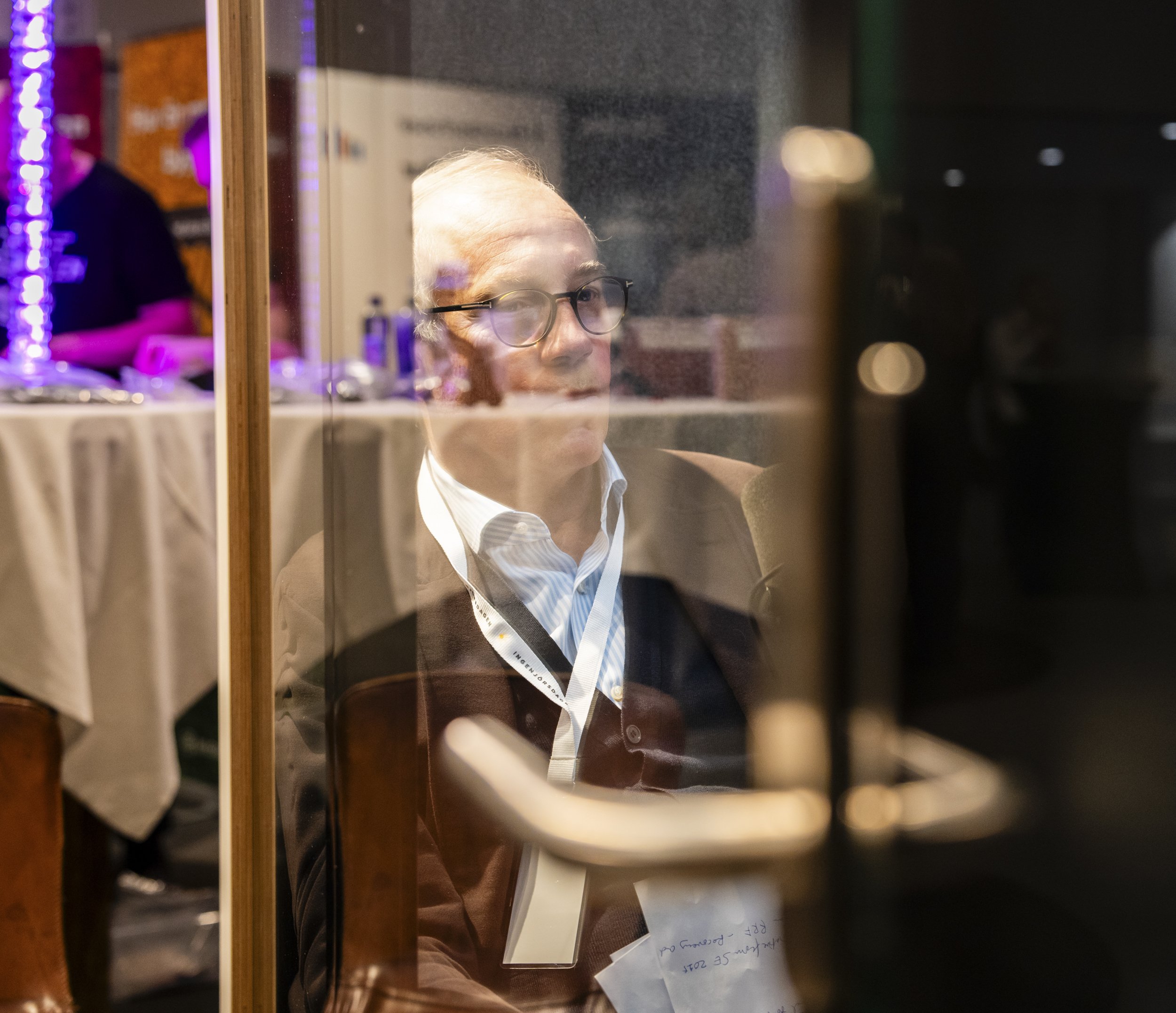
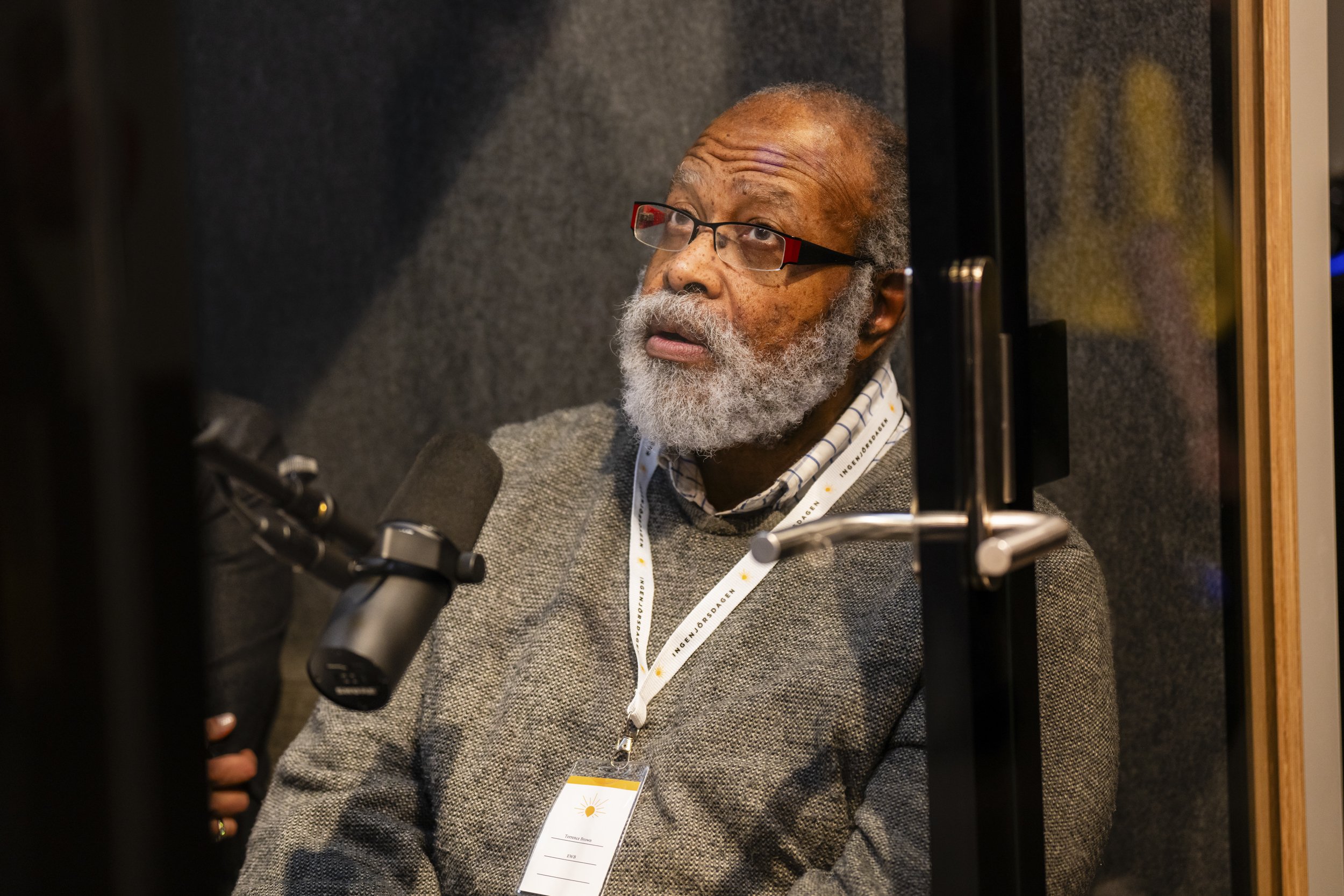
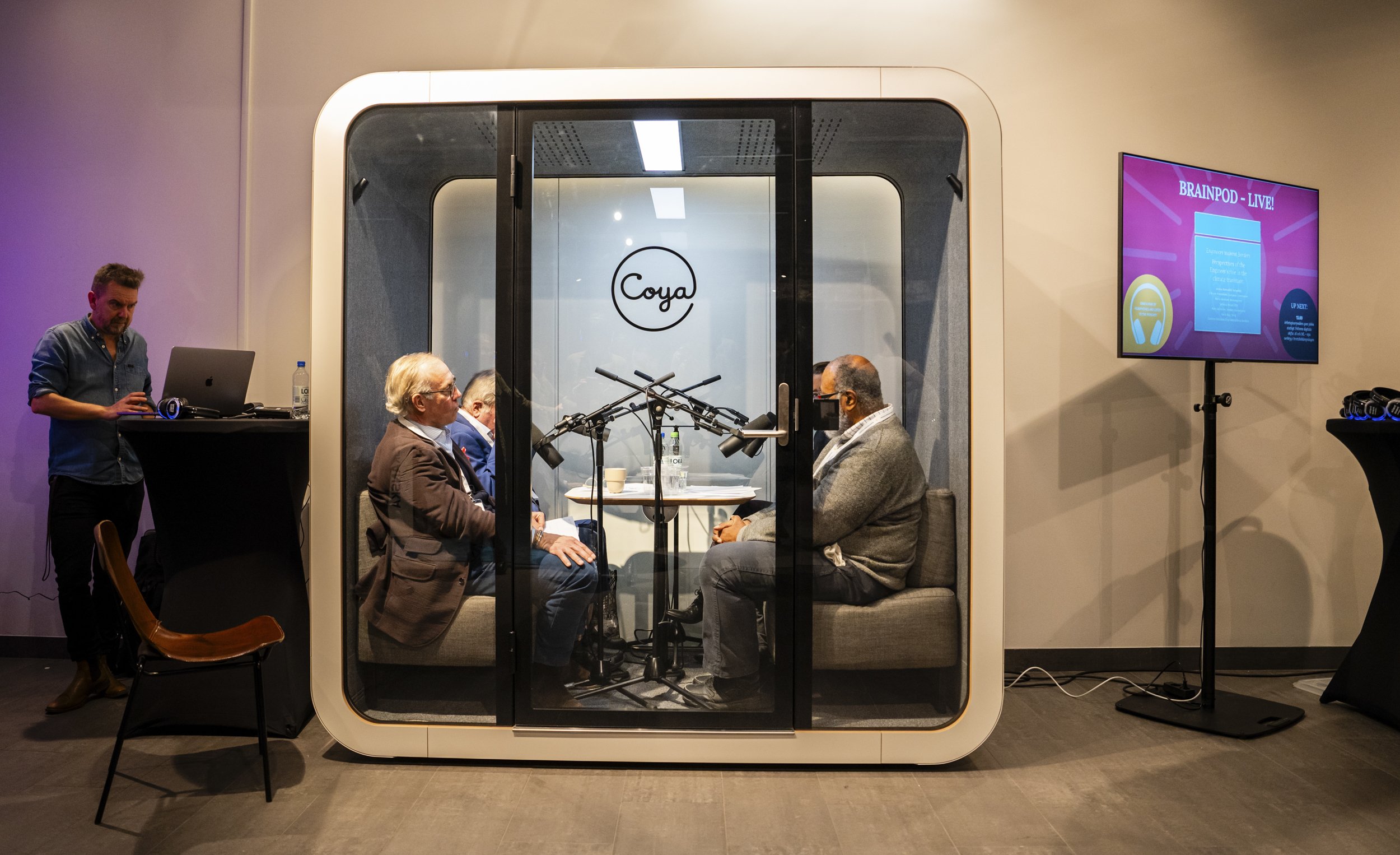
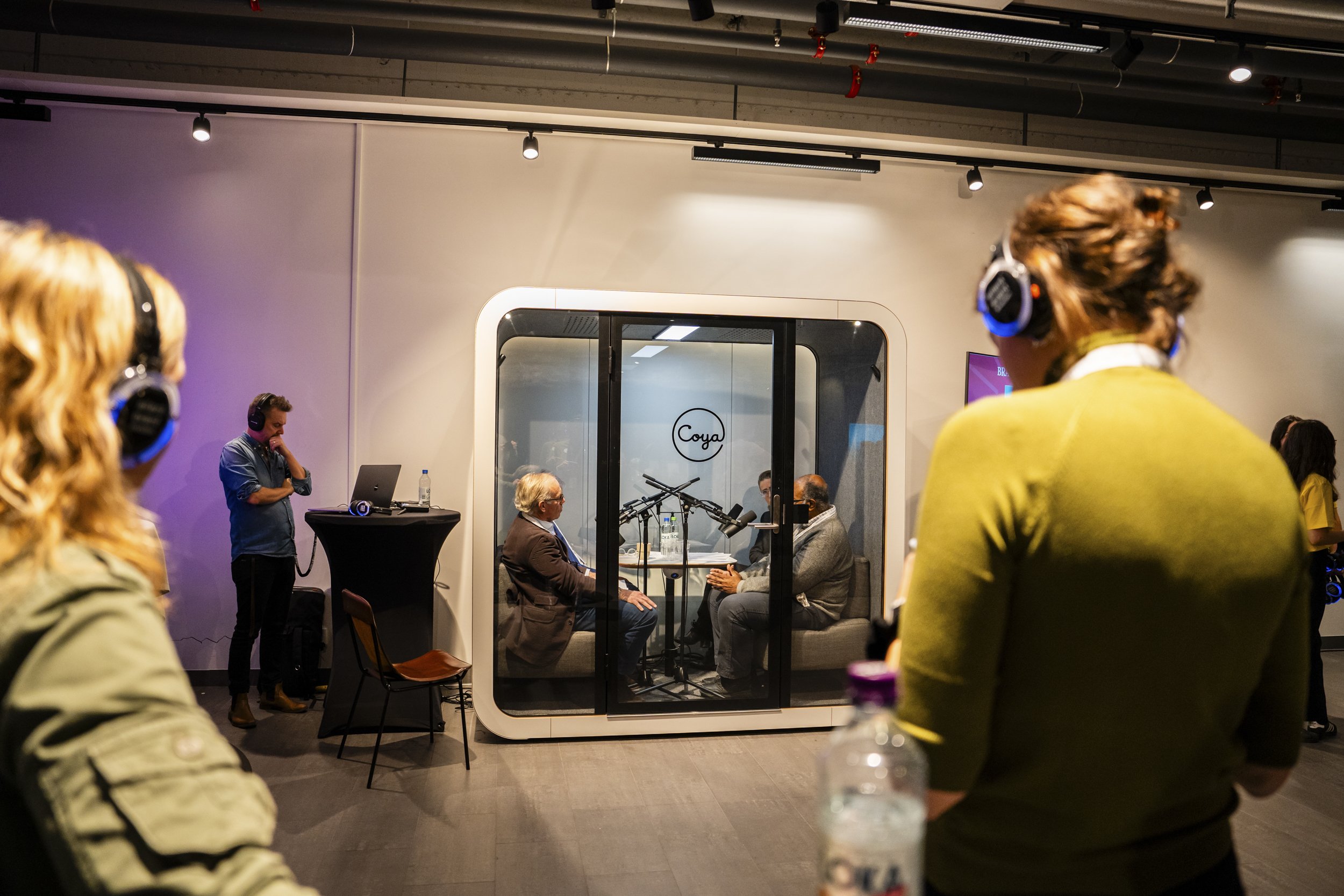
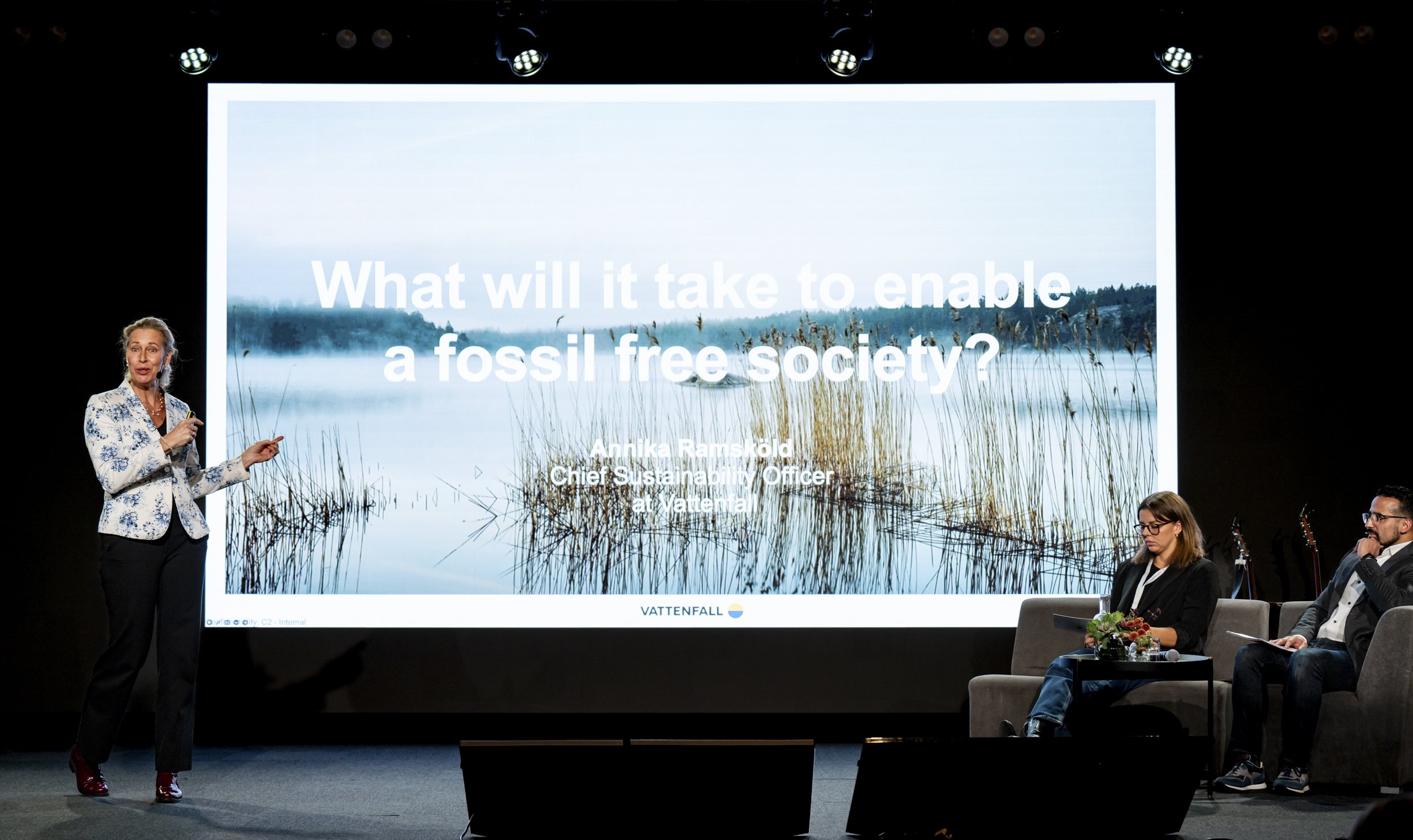
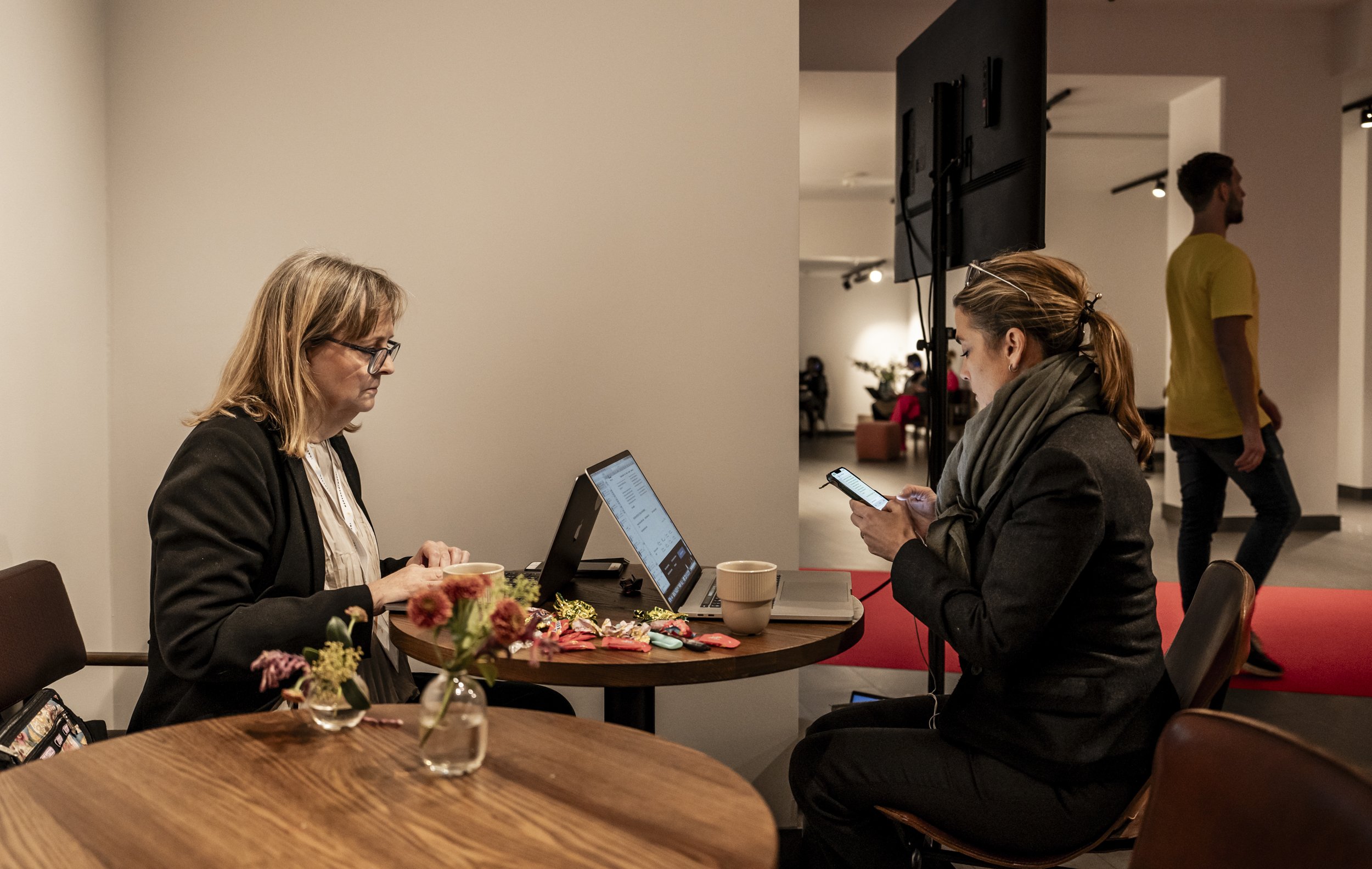
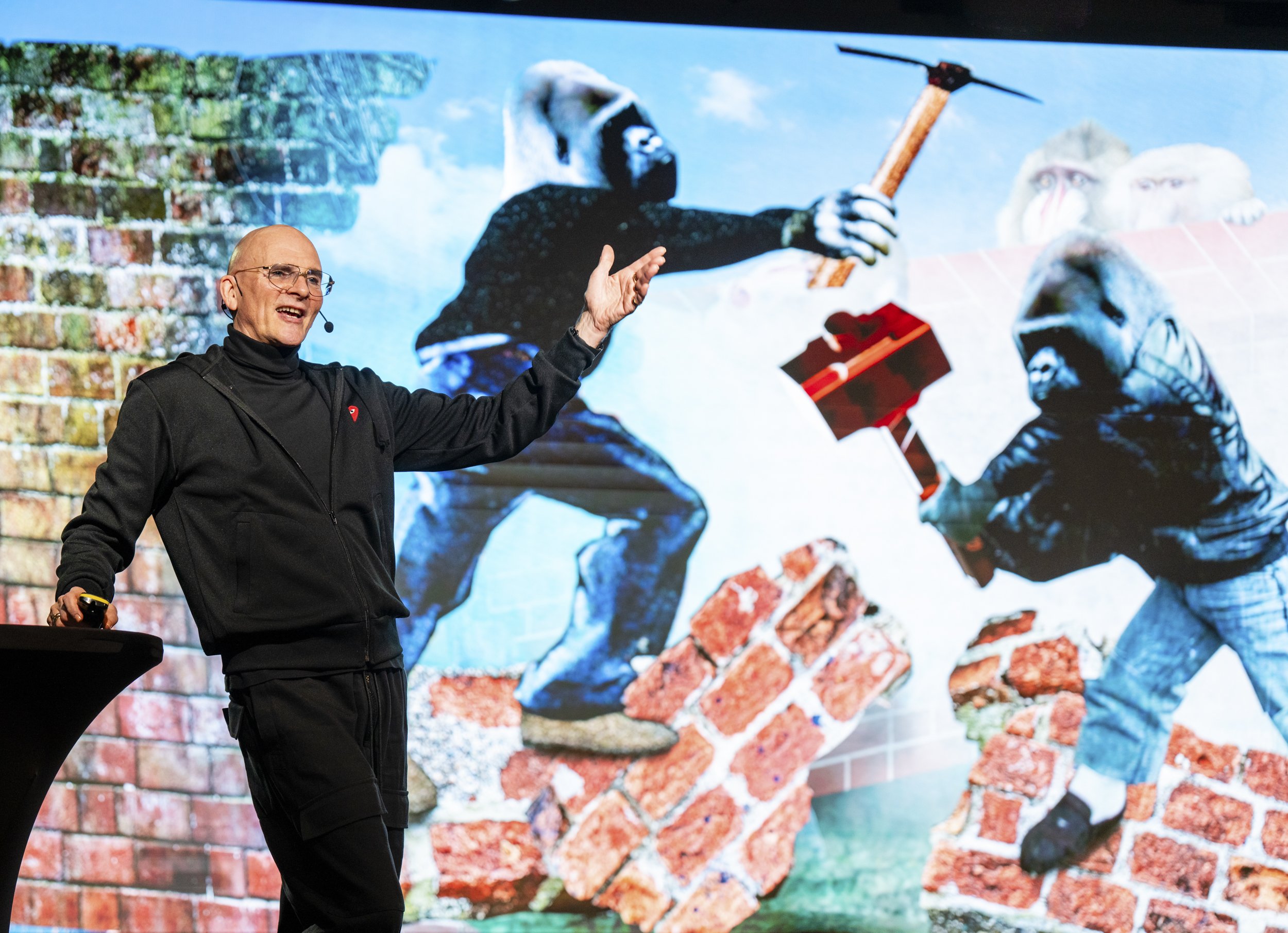
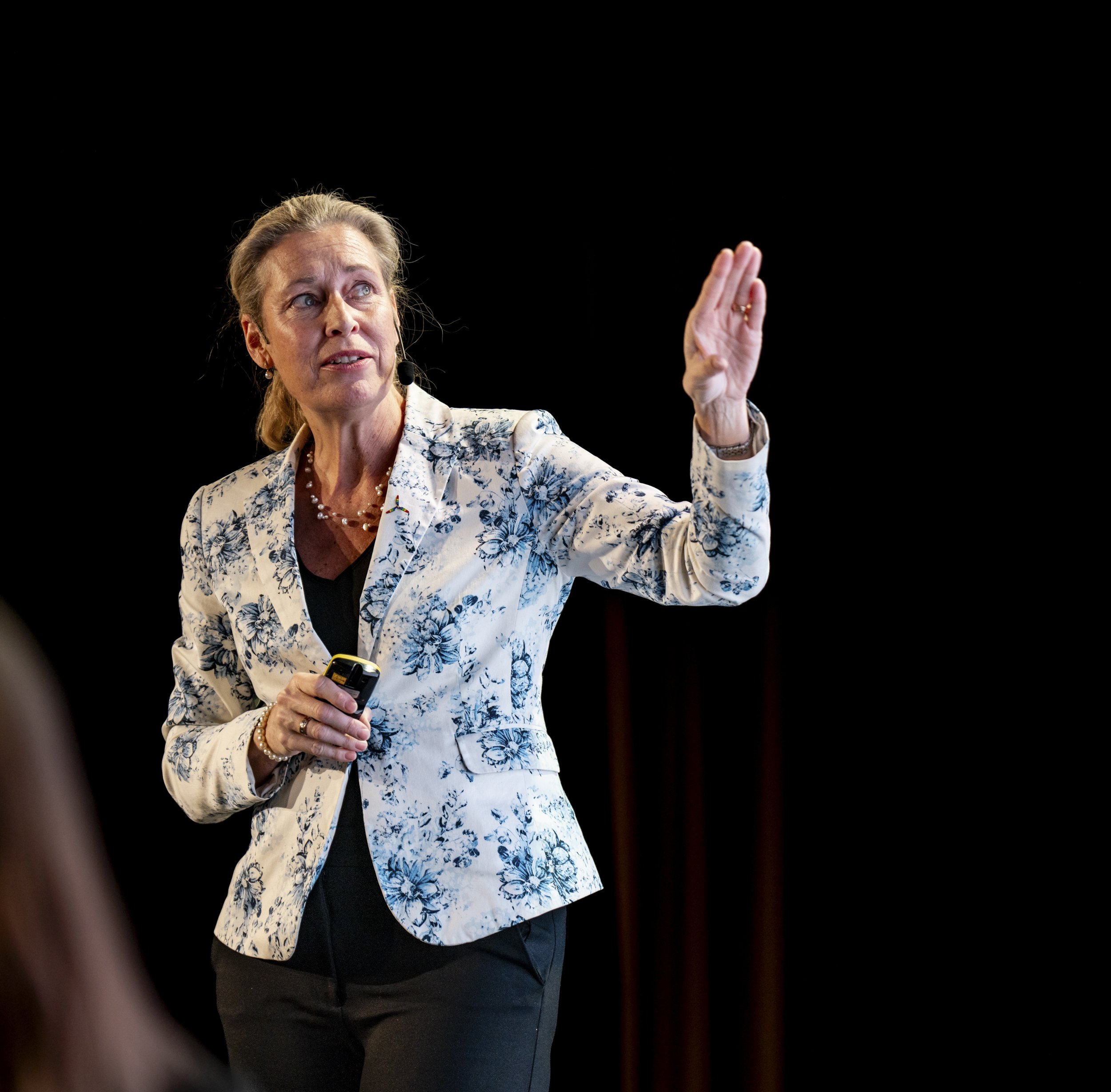
/Ingenjörsdagen 2023 är över. Vi vill tacka alla som deltog i vår poddsession och debattartikel, samt alla intresserade besökare vid vår lilla ”monter” för Ingenjörer utan gränser , alla intressanta talare och naturligtvis alla som står bakom Ingenjörsdagen – tack för ett fantastiskt evenemang! Vi kommer att dela några bilder från evenemanget med tillstånd av Ingenjörsdagen.


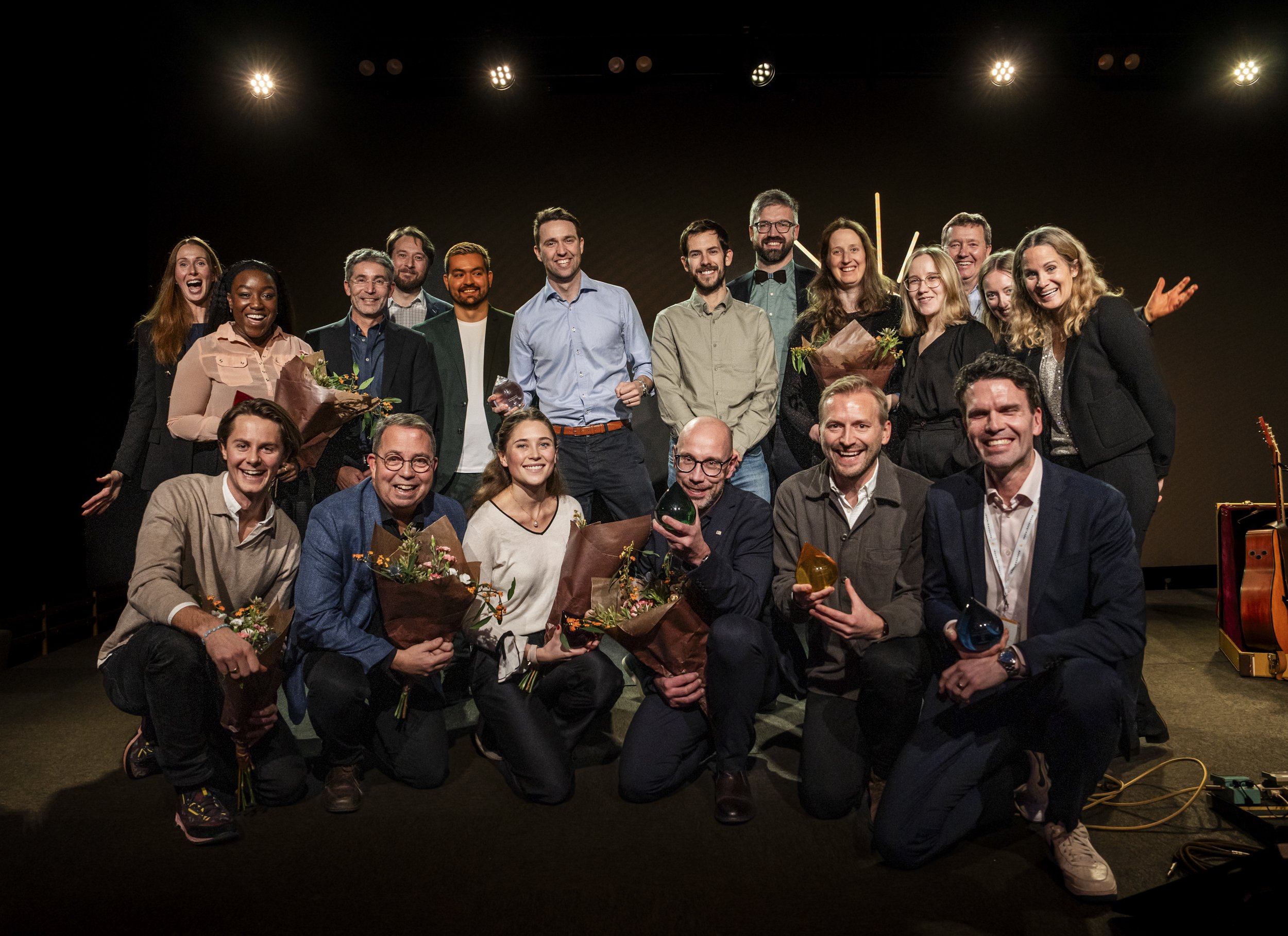
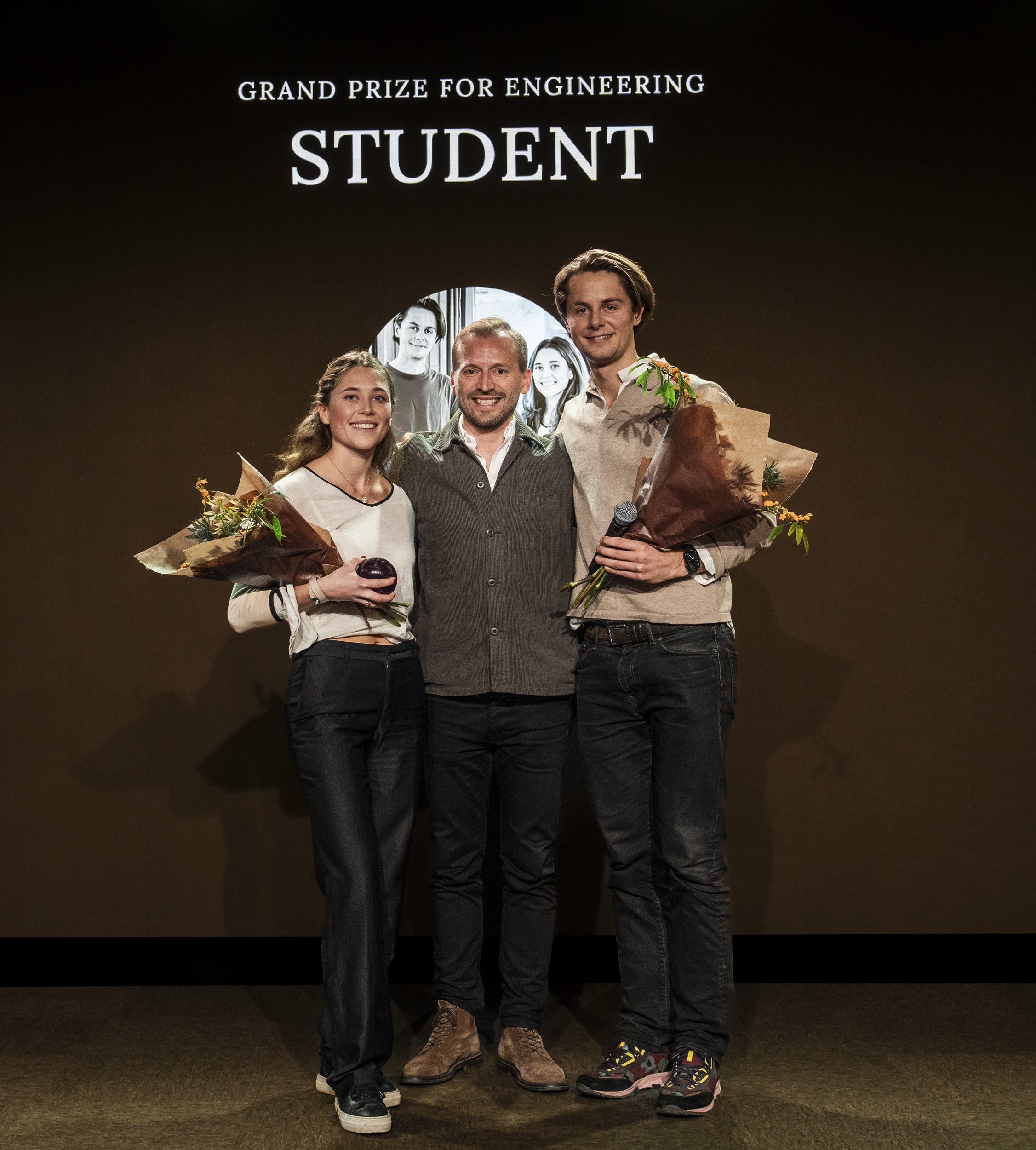
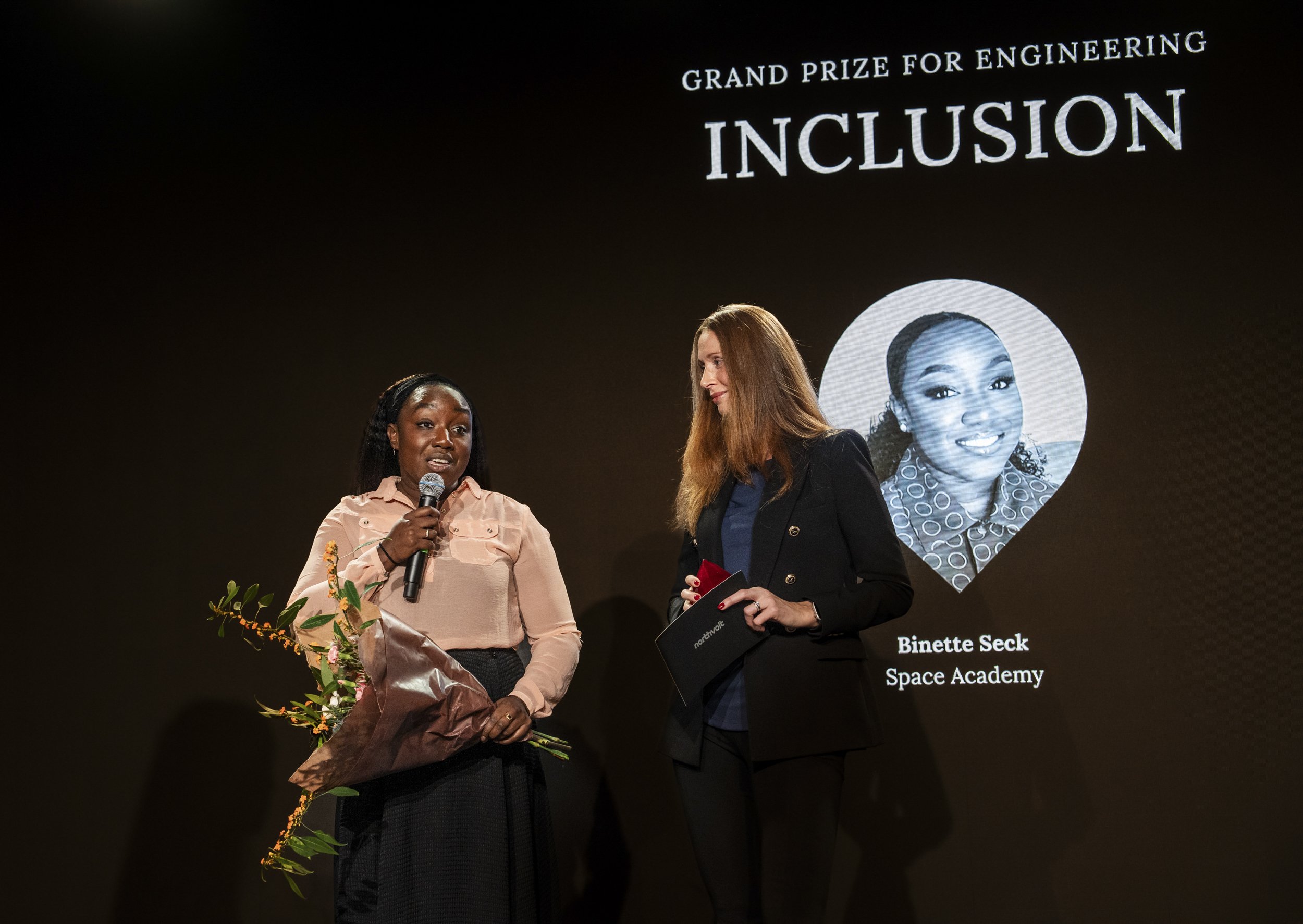
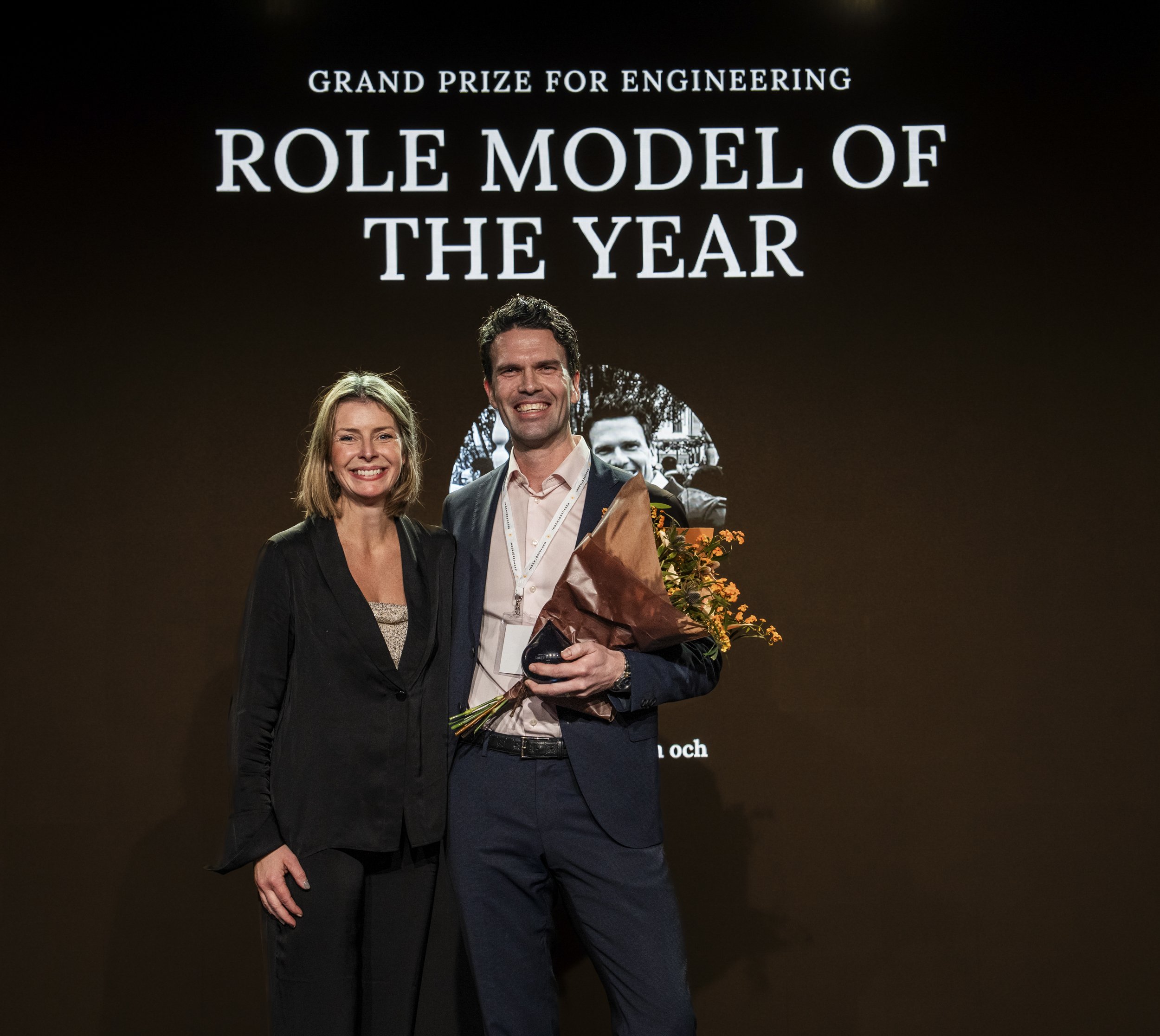
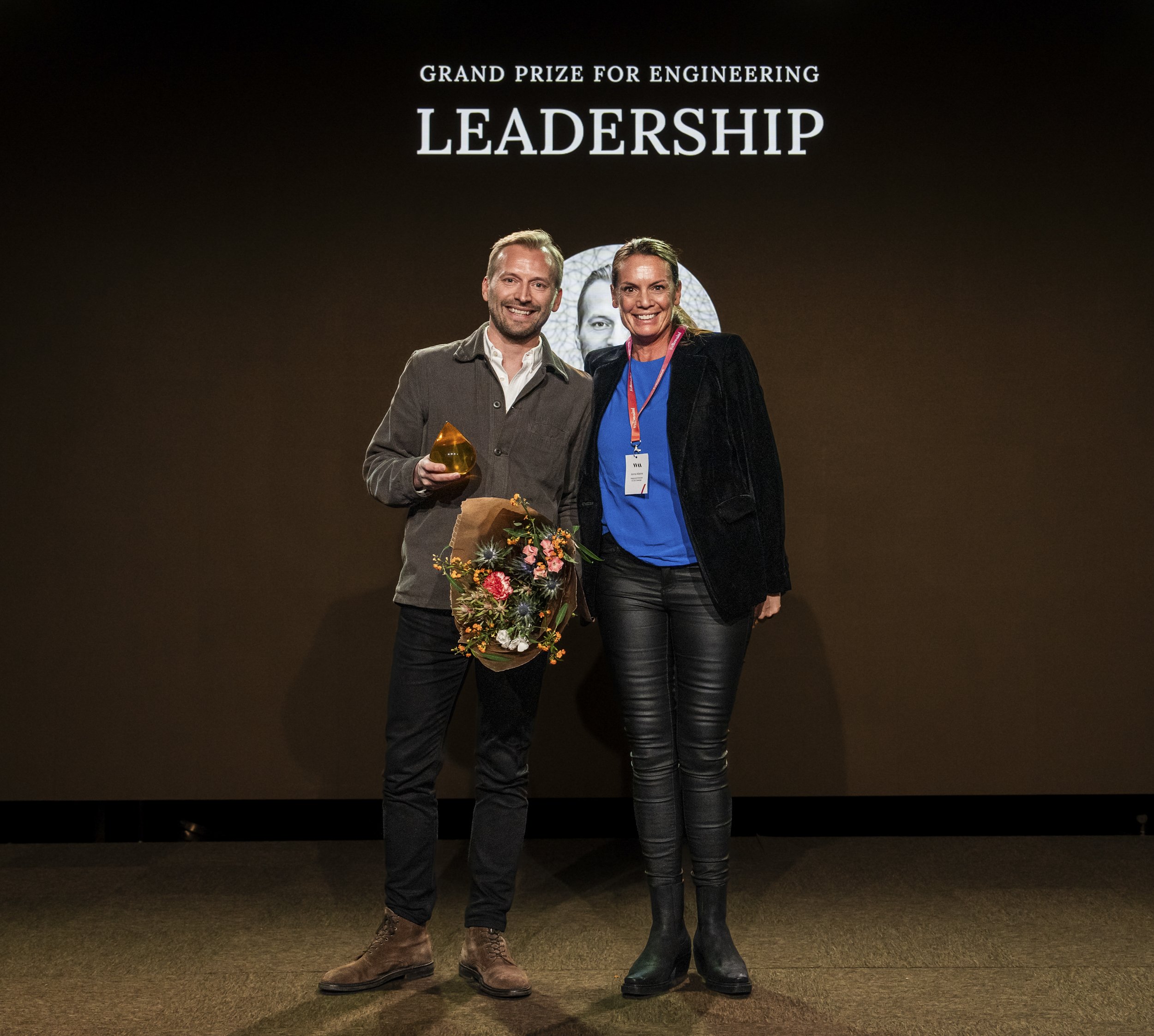
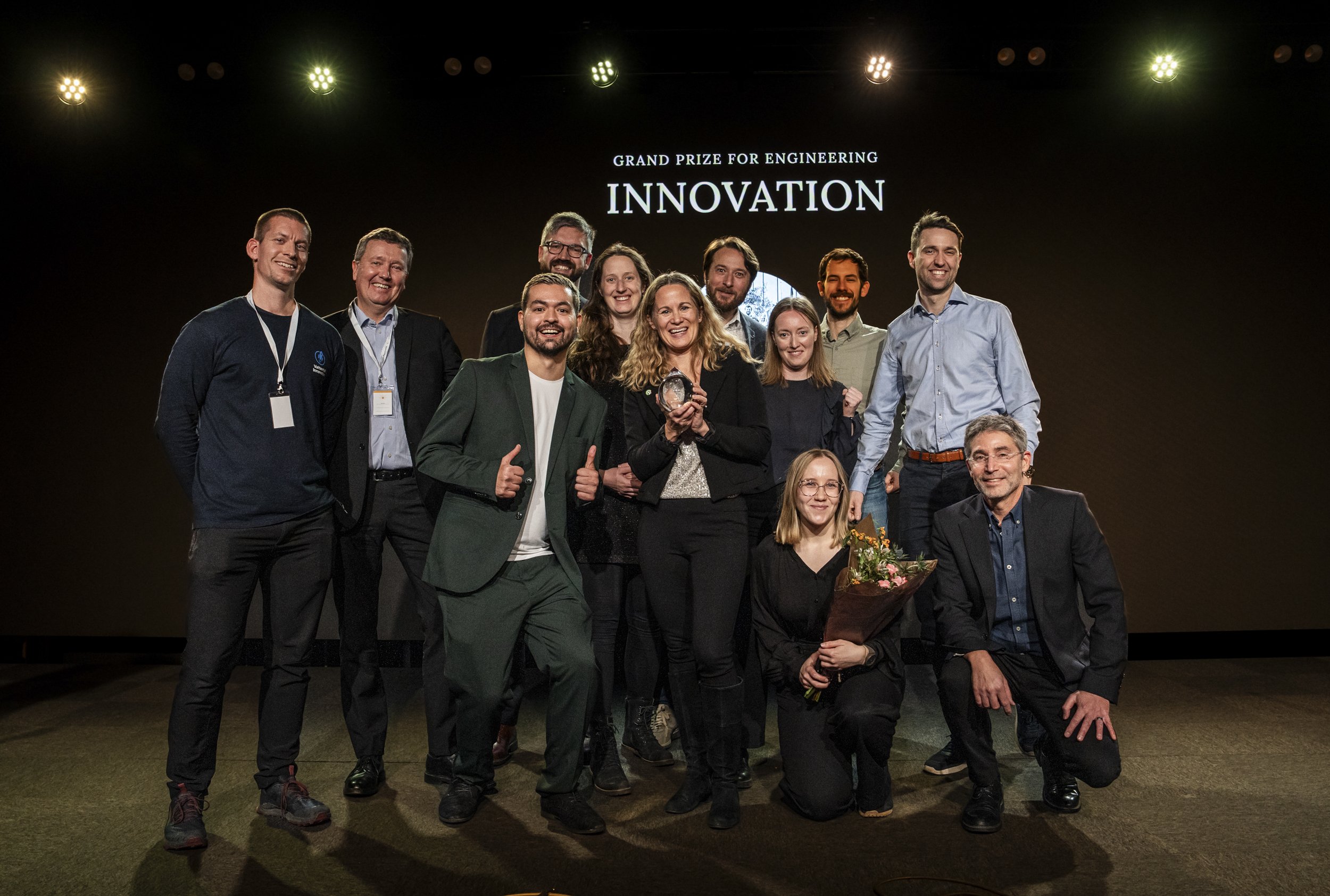

Grattis till vinnarna av huvudpriset i teknik 2023.
Inkludering – Binette Seck, Space Academy
Innovation – Team EasyMining, Ragnsells
Ledning – Olof Johansson, Trafikverket
Årets förebild – Thomas Dalmalm och Per Vedin, Trafikverket
Hållbarhet – Fredrik Jonsson och Patrik Sundberg, Skellefteå Kraft
Studenter – Paula Runsten och Felix Kruse, Rebaba

Ledare: Ingenjörskrisen hotar Sveriges framtid
/
Sverige, fredens och innovationens land. Sverige, där enhörningarna står på rad. Våra företag har blomstrat på den globala arenan tack vare vår kompetenta arbetskraft. Den legendariske entreprenören Jason Calacanis sa en gång att det bara finns två platser för investerare: Silicon Valley och Stockholm.
Idag står vi, precis som resten av världen, inför stora utmaningar. Utmaningar som skulle kunna lösas med hjälp av teknik och ingenjörskonst. Den nuvarande situationen, med en allvarlig brist på ingenjörer, hotar dock inte bara Sveriges framgång utan även världens framtid.
Bristen på ingenjörer är ingen nyhet. I årtionden har företag, universitet och forskningsinstitut i Sverige haft svårt att hitta tillräcklig teknisk kompetens för att driva sina projekt och verksamheter framåt. Det står dock klart att regeringens insatser under de senaste åren inte har varit tillräckliga för att möta denna utmaning.
En av de allvarligaste frågorna är den svenska byråkratin och dess långsamma handläggning av invandring inom utbildning och arbetsmarknad. Det är absurt att företag som är i desperat behov av ingenjörer tvingas vänta i månader, ibland i åratal, på att de nödvändiga tillstånden ska behandlas. I ett globalt sammanhang där den tekniska utvecklingen går snabbt innebär varje förlorad dag en förlorad konkurrensfördel.
En annan aspekt av ingenjörsbristen som förtjänar särskild uppmärksamhet är den ojämna könsfördelningen inom tekniksektorn. Kvinnor utgör fortfarande en minoritet bland ingenjörerna, och detta är en fråga som inte bara handlar om rättvisa och jämställdhet utan också om att man går miste om de fördelar som mångfald medför. Det krävs nya perspektiv för att driva innovationen vidare.
Behovet av ingenjörer sträcker sig bortom ekonomin. I övergången till en klimatsmart värld, där vi måste utveckla och införa ny teknik för att minska vår miljöpåverkan och bevara jordens resurser, spelar ingenjörerna en avgörande roll. Det är de som utformar och genomför hållbara energilösningar och tar fram innovativa metoder för att minska vår klimatpåverkan.
För att hantera klimatförändringarna och bygga en hållbar framtid krävs ökad ingenjörskompetens och en effektiv hantering av teknisk innovation. Regeringen bör därför betrakta bristen på ingenjörer som en fråga som rör både ekonomisk konkurrenskraft och klimatskydd och vidta åtgärder i enlighet därmed. Det är hög tid att se till att vi har de resurser och den kompetens som krävs för att möta framtidens utmaningar.
Regeringen bör överväga skatteincitament för företag som investerar i utveckling av teknisk kompetens och anställer fler ingenjörer. Detta skulle uppmuntra företagen att prioritera teknisk kompetens och bidra till att utbilda och rekrytera fler ingenjörer. Regeringen bör också överväga mentorprogram där erfarna kvinnliga ingenjörer kan stödja och vägleda yngre kollegor, och därmed ge dem den erfarenhet, vägledning och, framför allt, kamratskap som kan saknas bland kvinnliga ingenjörer.
I slutändan handlar det om att säkra Sveriges framtid och vår ekonomiska överlevnad. Vi kan inte längre bortse från problemet med bristen på ingenjörer, och det är hög tid att vi börjar agera med den brådska som situationen kräver. Sverige förtjänar sin plats som världsledande, men bara så länge vi satsar på vår egen befolkning. Det är dags för regeringen att vakna upp.
Undertecknat av:
Caroline Edelstam, generalsekreterare för Ingenjörer utan gränser
Mats Hellström, ordförande för Norden International, tidigare minister för utrikeshandel och jordbruk i Sverige, ambassadör och FN-delegat
Marie Ideström, medgrundare och VD för Womengineer
Linus Persson, grundare av Ingenjörsdagen / Engineering Day Sweden
Shiva Sander-Tavallaey, AI-specialist och adjungerad professor vid KTH
Att stärka barn genom ett rättighetsbaserat tillvägagångssätt
/Ingenjörer utan gränser:s åtagande på Världsbarnsdagen 2023
I samband med att vi firar Världsbarnsdagen 2023 är Ingenjörer utan gränser (Ingenjörer utan gränser) stolta över att vår verksamhet bygger på ett djupt engagemang för att värna om varje barns rättigheter. Denna globala högtid, som firas årligen den 20 november, uppmärksammar antagandet av FN:s konvention om barnets rättigheter (UNCRC) år 1989. Årets tema, ”För varje barn, alla rättigheter”, stämmer väl överens med vårt engagemang för att säkerställa barns säkerhet och välbefinnande över hela världen.

Barnhem i Chonyonyo, Karagwe, Tanzania
Världsbarnadagens ursprung
Sedan 1954 har Världsbarnsdagen fungerat som en påminnelse om vikten av att sätta barns rättigheter i främsta rummet i strävan efter en bättre värld. FN:s konvention om barnets rättigheter fastställer de särskilda rättigheter som barn behöver för att få skydd, omsorg och stöd under sina formativa år.
En rättighetsbaserad strategi
På Ingenjörer utan gränser integrerar vi aktivt ett rättighetsbaserat tillvägagångssätt i våra projekt, eftersom vi inser vilken förändrande inverkan det kan ha på individers och samhällens välbefinnande. Detta tillvägagångssätt går utöver traditionella biståndsmodeller och betraktar barn och vuxna inte som passiva mottagare utan som aktiva aktörer i de beslut som formar deras liv. I grund och botten handlar ett rättighetsbaserat tillvägagångssätt om att erkänna och tillgodose individers, främst barns, grundläggande rättigheter och säkerställa att de aktivt deltar i de beslutsprocesser som påverkar dem. Genom att prioritera dessa rättigheter strävar vi efter att stärka samhällena och göra det möjligt för barn att hävda sin rätt till respekt, skydd och det stöd som krävs för en sund utveckling.
Exempelprojekt: Ett initiativ för att förbättra utbildningsanläggningarna i Tanzania (SWASH-projektet)
I samarbete med den tanzaniska hjälporganisationen Mavuno Project har Ingenjörer utan gränser varit aktivt engagerat i ett förändringsdrivande initiativ i över tio år. Detta SWASH-projekt (School Water, Sanitation, and Hygiene) är inriktat på flera distrikt i nordvästra Tanzania och syftar till att systematiskt förbättra vatten- och sanitetsförhållandena i 131 grundskolor, vilket kommer att gynna cirka 80 000 barn.

Barnhem i Chonyonyo, Karagwe, Tanzania
Verkligheten i dessa regioner präglas av överfulla och underbemannade skolor med undermålig infrastruktur och begränsad tillgång till vatten och el. Denna utmanande miljö försämrar utbildningens kvalitet avsevärt, där brist på dricksvatten, ohälsosamma förhållanden och avsaknad av toaletter för flickor under menstruationen leder till hög frånvaro. Ingenjörer utan gränser har som mål att installera vattentankar som förser 30 skolor med rent vatten. Trots många utmaningar har 21 skolor redan fått tillgång till rent vatten, vilket kommer över 20 000 elever till godo.
Våra pågående insatser omfattar utformning av lämpliga toaletter, utforskning av vattenreningsmetoder och förbättring av vattenkvaliteten i samarbete med Mavuno. Detta helhetsperspektiv förbättrar inte bara tillgången till vatten utan bidrar också till att skapa en gynnsam miljö för utbildning, hälsa och allmänt välbefinnande, där barnen i samhällena kan få en lycklig barndom.
På denna världsbarnens dag
Ingenjörer utan gränser inbjuder dig att tillsammans med oss verka för en rättighetsbaserad strategi för att säkerställa varje barns trygghet, lycka och tillgång till möjligheter. Tillsammans kan vi skapa en värld där barns rättigheter inte bara erkänns utan också aktivt värnas, vilket banar väg för en ljusare framtid för kommande generationer. Genom att stödja initiativ som vårt SWASH-projekt strävar vi efter att göra en bestående skillnad i barns liv och se till att de växer upp i miljöer som främjar deras potential och lägger grunden för en bättre framtid.
Sakib Muktadir

SAKIB MUKTADIR, PRAKTIKANT INOM INTERNATIONELLA PROJEKT VID Ingenjörer utan gränser