EWB-SWE Gains Support from Alstom Foundation for WASH Projects in Tanzanian Schools

Engineers Without Borders Sweden (EWB-SWE) has received support from the Alstom Foundation to increase efforts in supporting children’s education through better Water, Sanitation, and Hygiene (WASH) access in Karagwe, Tanzania. This effort builds on EWB-SWE's ongoing work in improving vital services in rural Tanzanian areas.

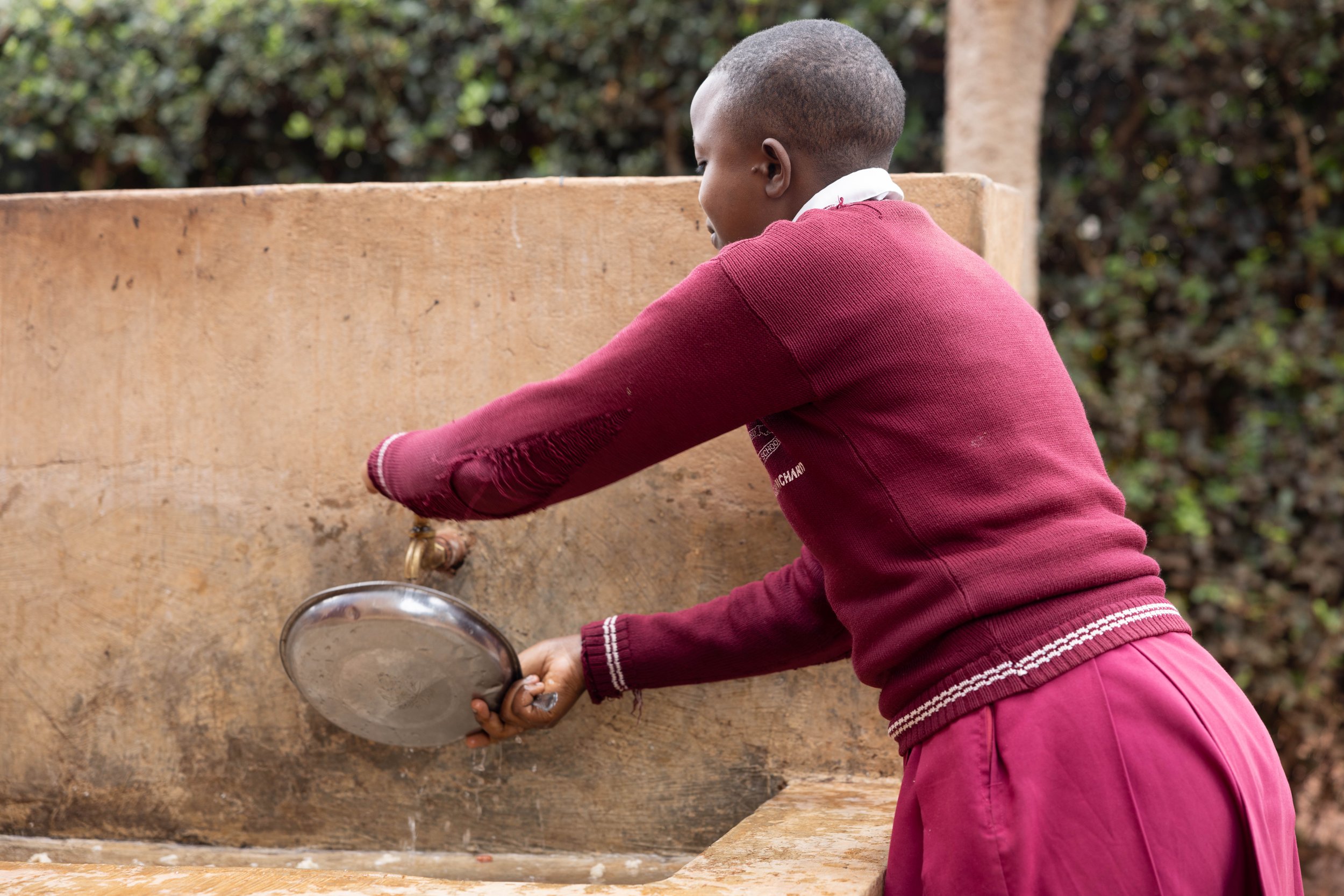
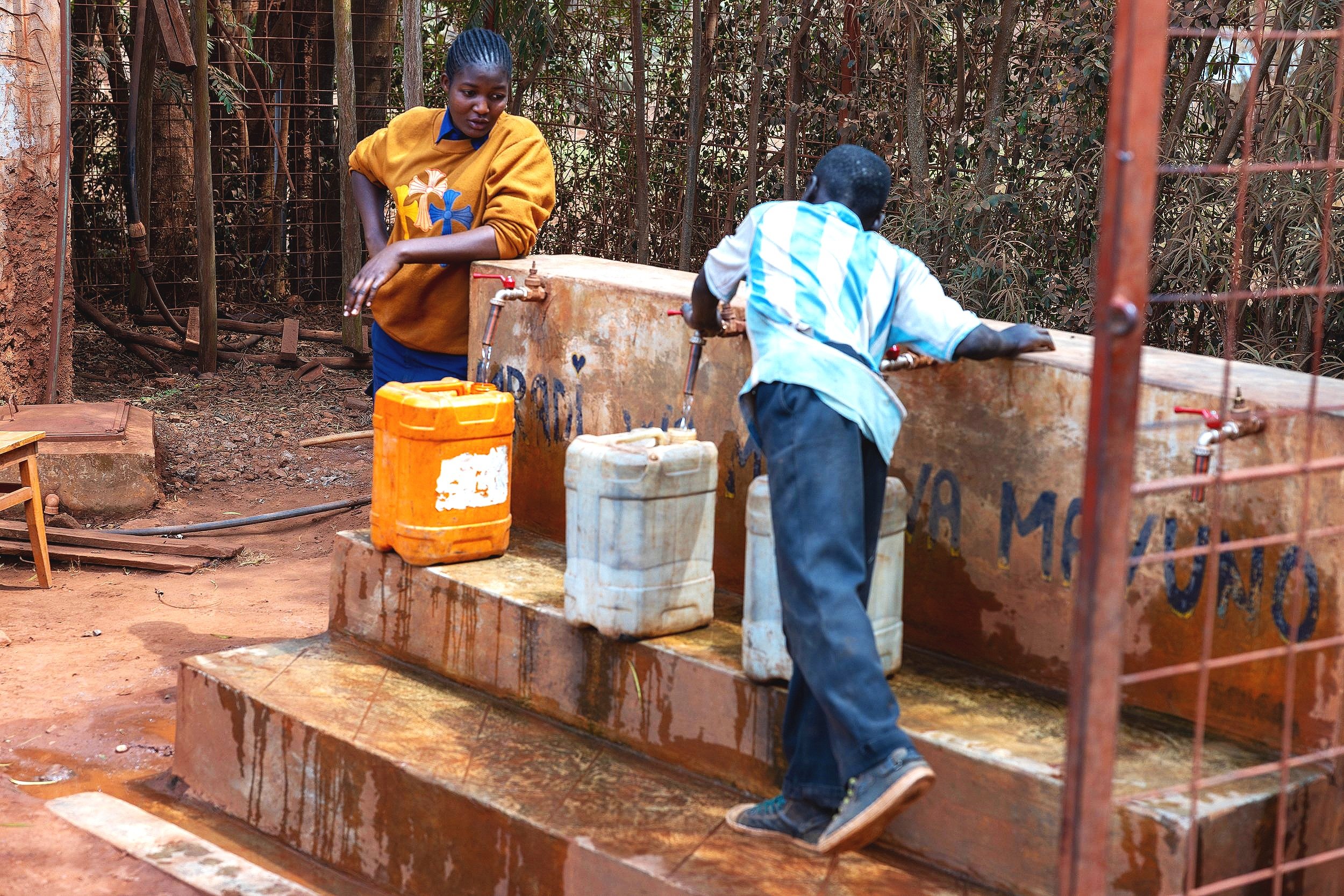
Working with the Mavuno Project, a local non-profit organisation, EWB-SWE has already built 25 water tanks in schools, providing clean water to around 20,000 children and 160 adults. This has led to better health, more regular school attendance, and improved school performance—with reports showing up to a 25% increase in one school's results.

The contribution from the Alstom Foundation will allow EWB-SWE to expand their WASH activities. The project will pay special attention to girls' education by adding specific sanitary and hygiene measures and campaigning for better understanding and support. This includes working with the Maji Safi Group, experts in Menstrual Health Hygiene (MHH).

The funds will be used for:

  • Improving access to safe drinking water, clean toilets, and facilities for hygiene and menstruation in schools.

  • Building skills and spreading the word about Menstrual Hygiene Health (MHH) and how to maintain clean water, to make a lasting difference.

  • Increasing the involvement of government in school services.

  • Keeping track of progress, evaluating success, and learning from the project's outcomes.

The aim of the project is to make a positive change in the education of 2,400 girls and 2,300 boys in five schools by improving health and ensuring they can attend school regularly. The plans include:

  • Building two new rainwater tanks for 1,600 children and 20 teachers, leading to better health, 70 more hours of class time each day, and 380,000 litres of water every year.

  • Constructing 40 ecosan toilets in two schools for 1,900 children.

  • Making two special rooms for hygiene and menstruation care for 460 girls.

  • Teaching 500 people, including government workers, community members, and teachers from the five schools about MHH, to increase knowledge and stop the shaming of menstruation.

  • Strengthening talks with the local government to push for better education facilities.

With these steps, EWB-SWE is determined to improve the educational experiences of students in Tanzania by showing the important link between education, health, and access to clean water and sanitation facilities.

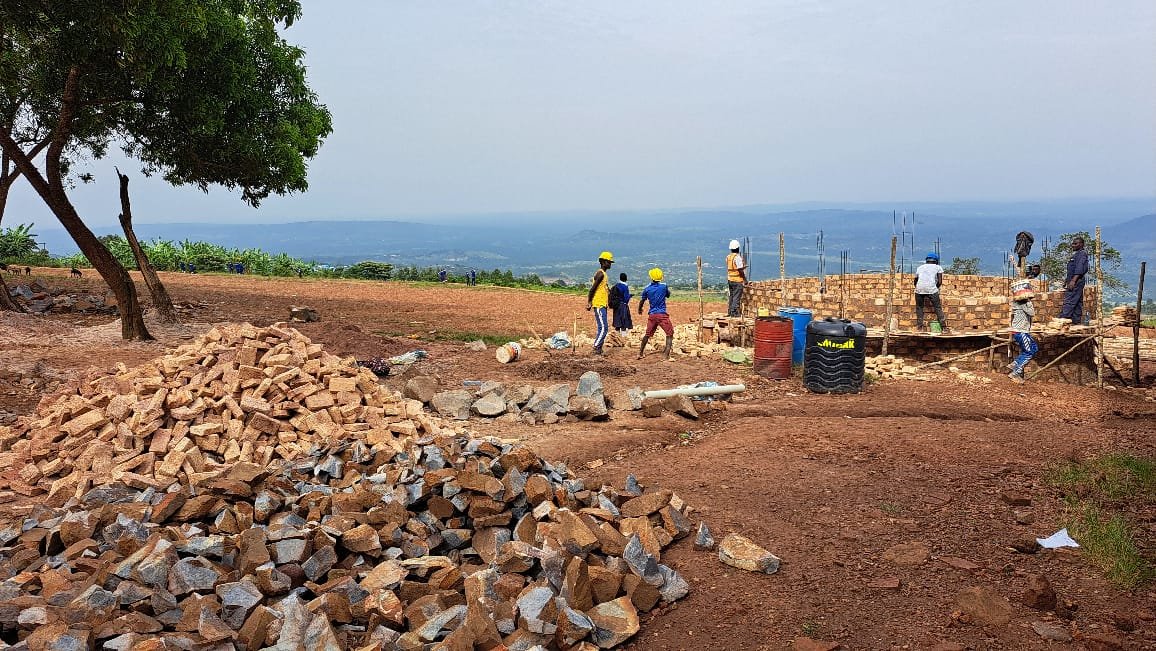
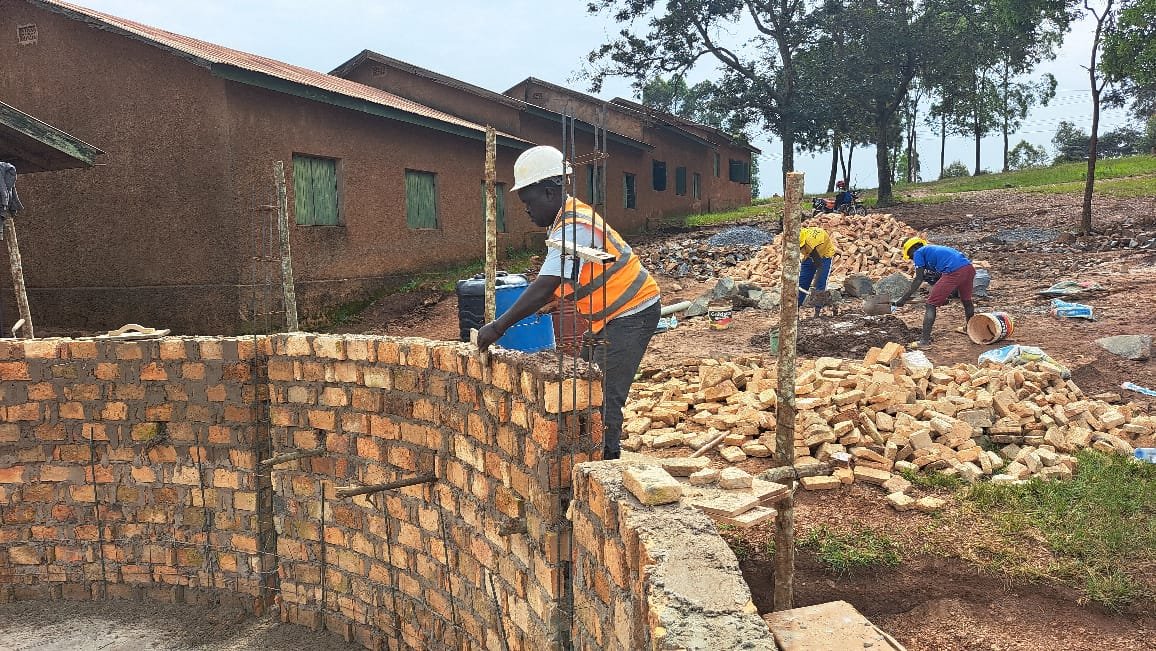
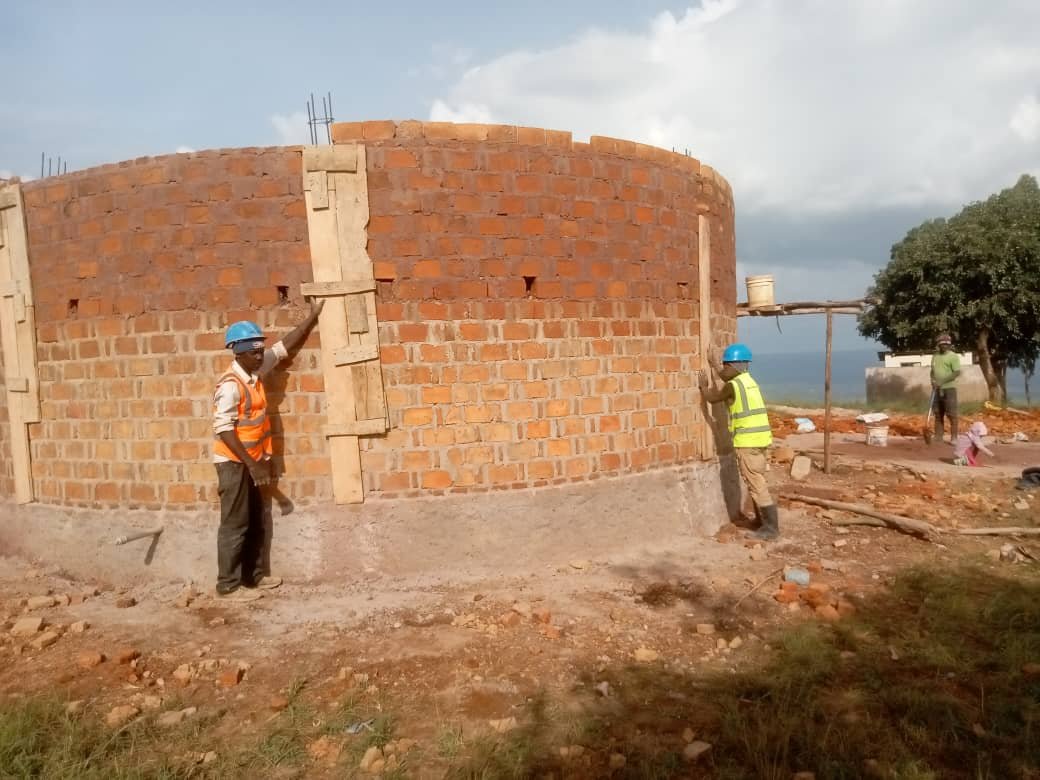
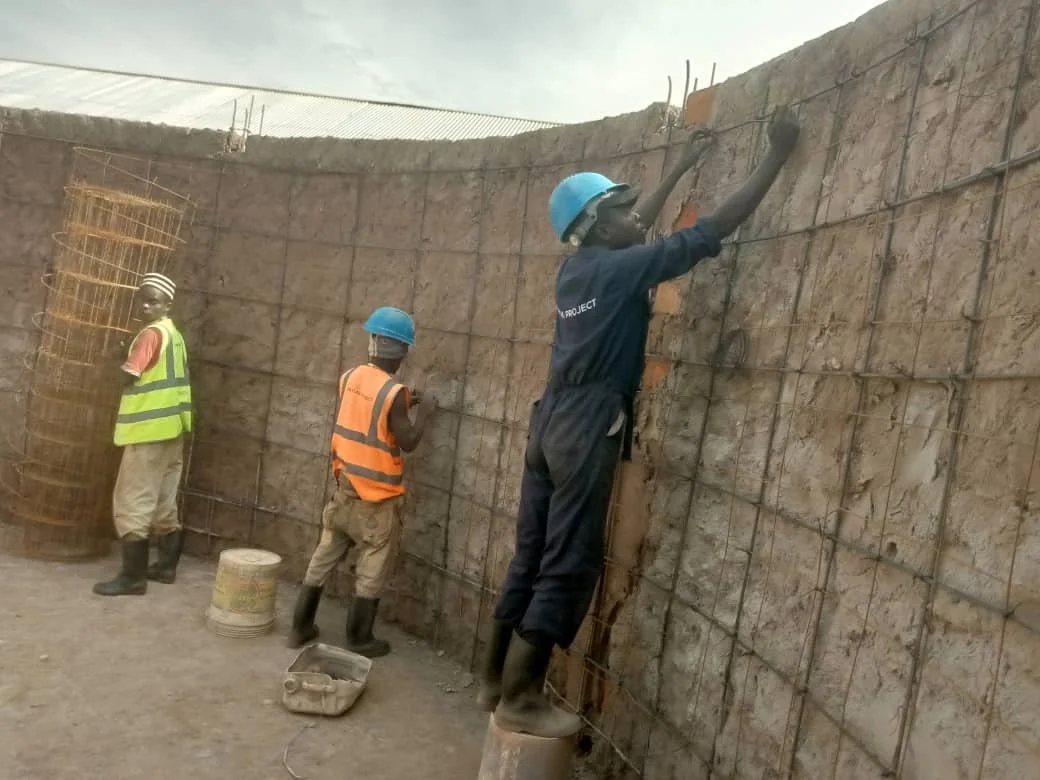
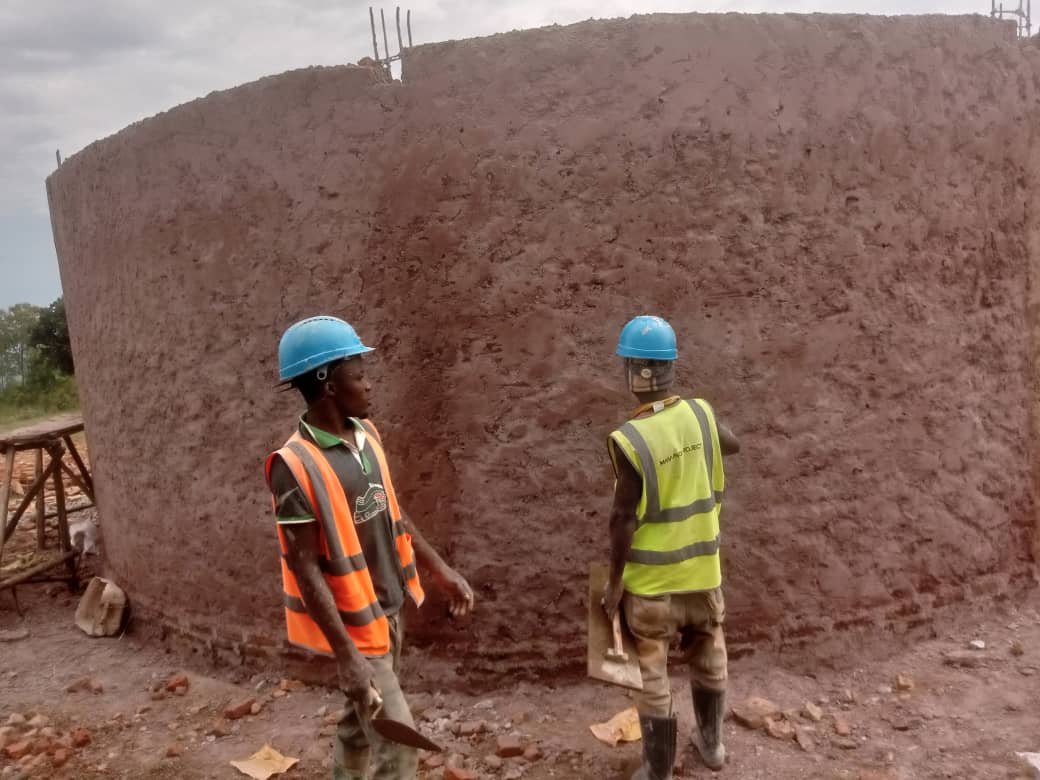
The images below are from the construction of the new water tank at Nyakabila Primary School in Nyakasimbi, Karagwe District, Kagera, Tanzania. The first images are from February, and the three below are from this month.

See images from the project

World Social Justice Day: Promoting Fairness and Empowerment

Established in 2007 and first observed in 2009, the United Nations General Assembly designated 20 February as World Day of Social Justice, also known as Social Justice Equality Day. This international day recognizes the need to promote social justice, which includes efforts to tackle issues such as poverty, exclusion, gender inequality, unemployment, and human rights.

This day provides an opportunity to reflect on the progress of the work that has been done over the years and to identify the challenges that still remain. It also serves as a reminder of the efforts necessary to build a fairer and more inclusive society for everyone.

Social justice is a basic principle that guides the work of organizations like EWB-SWE. Our aim is to harness the skills of engineers and technical professionals to power innovative solutions and solve challenges related to inequality and global development in Sweden and around the world. EWB-SWE's commitment to social justice is manifested in various ways:

Empowering Communities:

EWB-SWE believes in empowering communities to identify their own needs and priorities and come up with sustainable solutions. We work hand-in-hand with local grassroots organizations to bring lasting, positive change, sharing knowledge and finding sustainable solutions that truly work.

Fair Access to Resources:

EWB-SWE advocates for fair access to resources such as clean water, healthcare, and education. Many of our projects are linked to schools, aiming to improve education, while others are connected to healthcare facilities. These basic needs are crucial for promoting social justice and improving the lives of communities.

Gender Equality:

We recognize that gender equality is key to achieving social justice. We hold that everyone should be entitled to a safe life and the opportunity to reach their full potential. EWB-SWE initiates projects aimed at ensuring that women and girls have equal access to education and opportunities in their communities.

Sustainable Practices:

We understand the intrinsic connection between social justice and environmental stewardship. We integrate sustainable solutions into our projects to ensure everyone's right to a sustainable future.

On World Social Justice Day, organizations like EWB-SWE play an important role by promoting fairness, empowerment, and justice across the globe. By working together, we can strive towards a future where everyone enjoys the same rights, opportunities, and access to resources, regardless of their origin or circumstances. Together, we can build a fairer and more inclusive society for all.

Read more about Social Justice Day on the UN.org: https://www.un.org/en/observances/social-justice-day

Article in Global Bar Magazine about Mavuno Modal Girls Secondary School

The article "Tanzania: The School Where Girls' Dreams Take Flight," by Elin Persson in Global Bar Magazine, highlights the success of Mavuno Modal Girls Secondary School in Tanzania, which has been significantly supported for many years by EWB Sweden in cooperation with EWB Germany.

BRIEF SUMMARY

Located in the Kagera region near Lake Victoria, the boarding school for girls offers education and protection against early marriage, a common practice in rural areas despite being illegal before age 18. The school, celebrated for its empowered students and dedicated teaching staff, ranked 53rd out of 5,060 high schools in national exams. Key to its success are the self-motivation of the girls, who see education as a pathway out of poverty, and the strong community ownership of the school, which is celebrating its 30th anniversary in 2024. The school also addresses challenges such as menstrual hygiene and access to clean water, significantly improving attendance and health outcomes. Through education, the school aims to provide a foundation for girls to achieve their dreams, becoming leaders and professionals in their communities.

GLOBAL BAR MAGAZINE

Global Bar Magazine is Sweden’s leading magazine on global issues, aiming to cover global development issues with a focus on the Global South, development cooperation, sustainability, new solutions and human rights. Most of the articles are in Swedish, there are articles in English and Spanish as well. The magazine has 30 000 readers per month.

 
To the Article

Envisioning a Sustainable Future: The International Day of Clean Energy

The United Nations General Assembly declared January 26 as International Day of Clean Energy to commemorate the founding of the International Renewable Energy Agency (IRENA) in 2009. In a world that faces the daily impacts of climate change, there is an urgent need to transition towards a sustainable energy system. This day is a moment when nations, communities, and individuals unite and commit to working for a sustainable future. 

The Importance of Clean Energies

Adopting clean energy would help reduce greenhouse gas emissions. According to data from the International Renewable Energy Agency (IRENA), carbon dioxide emissions could be reduced by up to 70 gigatonnes by 2050. This is essential to limit global warming and reduce the impact of climate change.

What is Clean Energy?

First of all, we need to distinguish between Clean Energy and Renewable Energy. Renewable energies base their production and origin on a natural source, such as water, wind, among others. The source of these energies is inexhaustible. Clean energy is generated and consumed using methods that do not generate carbon dioxide or any other type of polluting substance for the environment. For this reason, clean energy helps us reduce our dependence on fossil fuels and reduce our environmental impact, promoting long-term sustainability.

Types of Clean Energy

  1. Solar Energy: Solar energy uses solar radiation to produce electricity using photovoltaic panels. In addition, solar thermal energy uses the heat of the sun to produce steam and generate electricity.

  2. Wind Energy: Wind energy uses wind energy to produce electricity using wind turbines. These devices convert the kinetic energy of the wind into electricity.

  3. Hydropower: Hydropower uses the kinetic energy of moving water to produce electricity, controlling the flow of water for continuous energy production.

  4. Geothermal Energy: Geothermal energy depends on the Earth's internal heat. It uses thermal energy stored underground to produce electricity or provide heat.

  5. Biomass Energy: Biomass uses organic materials such as agricultural or forestry residues to produce energy through controlled combustion or conversion to biogas.

  6. Wave Energy: Wave energy harnesses the movement of ocean waves to generate electricity. Although still in its development stages, wave energy has great potential to complement other clean energy sources.

  7. Energy from Ocean Currents: Using technologies such as underwater turbines, the energy generated by ocean currents can be used to produce electricity.

In conclusion, the path to sustainability requires the work and cooperation of all sectors of society. Governments need to develop policies that incentivize clean energy, businesses need to prioritize sustainability, and individuals can contribute by making conscious choices in their daily lives. The International Clean Energy Day is not just a celebration; it is also a call to action, a reminder that our actions today shape the world of tomorrow. This day gives us the opportunity to reflect on the importance of the energy transition, symbolizing hope, unity, and commitment to taking concrete steps towards a more sustainable future.

The transition to clean energy is an investment in the well-being of future generations. It's an opportunity to reshape our economies and societies. The Day of Clean Energy serves as a call to action, encouraging governments, businesses, and individuals to invest in and support the growing green economy.

“Engineers Without Borders was the obvious choice…”

Engineers Without Borders Sweden (EWB-SWE) expresses its deep gratitude to Mr. Staffan Truvé, co-winner of the prestigious 2023 Polhemspriset award, who generously donates his part of the prize sum consisting of 125,000 SEK to our organization.

Staffan Truvé, the co-founder and CTO of Recorded Future, was recognized for his groundbreaking work in real-time cyberattack detection and analysis.

Staffan Truvé

Polhemspriset, one of Sweden's most esteemed technology awards, has a rich history of honoring individuals who have made significant contributions to the country's technological advancement. It is administered by Sveriges Ingenjörer and recognizes those who have propelled Sweden's technical development forward.

“I was honoured to receive the Polhem Prize, and wanted to use the prize to support a good cause that also show the impact engineering can have on helping humanity, and with those conditions Engineers Without Borders was the obvious choice,” says Staffan Truvé.

Staffan Truvé's exceptional donation will greatly support EWB-SWE in its mission to address global challenges through humanitarian engineering and sustainable solutions. We applaud Mr. Truvé's commitment to making the world a better place through his generosity and groundbreaking work.

Watch the film with this year's Polhem Prize winners Christopher Ahlberg and Staffan Truvé where they talk about their innovation and their journey with the company Recorded Future - the world's largest privately held intelligence service, with 17,000 customers from around the world.