Celebrating World Engineering Day 2025: Building a Sustainable Future Through Engineering

Today, March 4, 2025, we join the global community in celebrating World Engineering Day for Sustainable Development. This annual event, established by UNESCO in 2019, highlights the role of engineering in achieving the United Nations' Sustainable Development Goals (SDGs). This year's theme, "Shaping Our Sustainable Future Through Engineering," focuses on how engineers contribute to a more sustainable and resilient world.
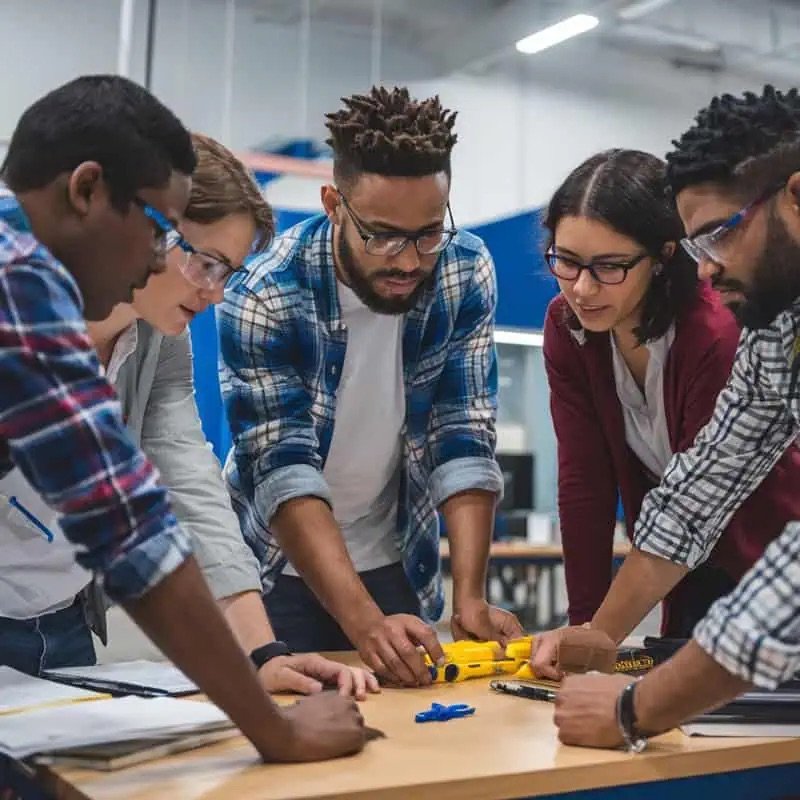
Why World Engineering Day Matters

World Engineering Day is more than a celebration—it is a reminder of how engineering helps solve global challenges. From providing clean water and energy to designing disaster-resilient infrastructure, engineers play a key role in improving lives and making communities stronger.

Global Events and Activities

A range of events and initiatives are happening worldwide to mark the occasion:

  • UNESCO Headquarters, Paris – An official event discussing engineering's role in sustainable development, featuring experts and leaders.
    Learn more

  • Virtual Conference & Exhibition (April 26 – May 2, 2025) – A global platform showcasing engineering innovations for sustainability through discussions, workshops, and exhibitions.
    Join here

  • World Engineering Day Hackathon 2025 – Participants tackled real-world issues like climate resilience, housing infrastructure, and digital empowerment for women. The top 15 entries feature innovative solutions from across the globe.
    See the finalists

How You Can Get Involved

  • Explore Events – Find and join events worldwide by visiting the official World Engineering Day website.

  • Join the Conversation – Share your thoughts on sustainable engineering using #WorldEngineeringDay on social media.

  • Inspire Future Engineers – Encourage young people to consider careers in engineering by sharing stories of its impact on sustainable development.

Our Commitment

At Engineers Without Borders Sweden, we are committed to using engineering to build a sustainable and fair future. Through initiatives like Engineer2Engineer, Inspire Youth, and The Reflective Engineer, we promote curiosity, equality, inclusivity, and sustainability in all our work.

This World Engineering Day, let’s celebrate the achievements of engineers everywhere and continue working towards a more sustainable world.

📌 For more information on World Engineering Day events, visit worldengineeringday.net.


Learn more here

Enjoy and be inspired by this year’s winners of the WED Hackathon

Great video from WED 2023

Breaking Barriers: Advancing Menstrual Health and Hygiene in Kyerwa, Tanzania

Rachel Stephen, Project Leader at Maji Safi Group

Menstrual Health and Hygiene (MHH) remains a significant challenge in many communities, where stigma and lack of education contribute to poor health outcomes and school absenteeism for girls. In December 2024, Maji Safi Group, in collaboration with Mavuno Project, organised a training session in Kyerwa District, Tanzania, to equip educators, local leaders, and students with the knowledge and skills needed to promote menstrual hygiene and gender equality.

We spoke with Rachel Stephen, Project Leader at Maji Safi Group, about the impact of the training, its challenges, and the future of MHH advocacy in the region.

Empowering Communities Through Education

One of the most significant takeaways from the training was the increase in awareness around menstrual hygiene, breaking down deep-seated myths and taboos. Rachel emphasised that many participants had little prior knowledge about menstrual health, and this training provided an open and interactive space to discuss these topics without shame or stigma.

“The training didn’t just focus on facts—it helped build confidence. It showed that MHH is not just a health issue but also a gender equality issue,” Rachel explained.

The participatory nature of the sessions—using videos, images, and diagrams—helped attendees engage with the content in a meaningful way. The discussions led to a strong commitment from trainees to share what they learned within their communities, ensuring the knowledge spreads beyond the classroom.

Immediate and Long-Term Impact on Communities

In the short term, the training is expected to improve menstrual hygiene practices among young girls in local schools. It also set the groundwork for establishing health clubs in schools, where both boys and girls can engage in discussions about menstruation—a crucial step towards normalising these conversations and reducing stigma.

Looking at the long-term impact, Rachel highlighted the potential for a cultural shift in how menstrual health is perceived and discussed. By training community leaders and teachers, the programme is planting the seeds for sustained advocacy, leading to better hygiene practices and increased school attendance for menstruating students.

“When we break the silence around menstruation, we empower girls to stay in school and reach their full potential,” Rachel said. “This isn’t just about hygiene—it’s about ensuring education and equal opportunities.” 

Challenges Faced and Lessons Learned

While the training was a success, it was not without its challenges. One of the key difficulties was the limited duration of the training. Rachel mentioned that two days were not enough, as participants had many questions and wanted more time for discussions.

“The enthusiasm and curiosity were overwhelming. If we had an extra day or two, we could have deepened discussions and explored more tailored solutions for each community,” she reflected. 

Another challenge was a last-minute venue change from Karagwe to Kyerwa, which disrupted logistical planning and prevented pre-training site visits. However, the flexibility and commitment of the team ensured the training still ran smoothly.

Health Clubs: Creating Sustainable Change

One of the most promising outcomes of the project is the planned establishment of health clubs in five schools, with 20 boys and 30–40 girls in each. These clubs will serve as safe spaces where students can learn about MHH, sexual health, and personal hygiene. 

Key Objectives of the Health Clubs:

✔ Education: Providing age-appropriate lessons on menstrual health.
✔ Skills Training: Teaching proper waste management techniques.
✔ Peer Support: Encouraging open discussions and mentorship.
✔ Student Advocacy: Training club members to promote WASH and MHH awareness using a child-to-child approach. 

Maji Safi Group will support teachers and facilitators by providing training materials, MHH curriculum booklets, and menstrual health kits. They will also conduct follow-up visits for six months, helping to build local capacity for self-sustaining clubs.

Collaboration for Greater Impact

Maji Safi Group’s Health Education Model plays a key role in bringing together educators, local leaders, and government officials to address menstrual health challenges. The programme helps create a shared responsibility, ensuring that MHH solutions are included in broader education and health initiatives.

By involving different stakeholders, the approach encourages long-term commitment and local ownership, rather than dependence on outside support. Rachel highlighted that quarterly reflection meetings and ongoing consultations will help sustain these efforts beyond the initial training.

“This is not just about handing out sanitary pads—it’s about changing mindsets and creating an environment where girls feel safe and supported,” she emphasised.

Blickar framåt

The MHH training in Kyerwa was just the beginning. With the establishment of health clubs and ongoing advocacy efforts, Maji Safi Group and its partners are laying the foundation for lasting change. 

Through education, empowerment, and collaboration, they are ensuring that menstruation is no longer a barrier to education for girls in Kyerwa. 

Would you like to support initiatives like this? Stay connected with us and learn how you can contribute to making a difference in menstrual health and hygiene in Tanzania.  

Read more about Maji Safi:

https://majisafigroup.org/

Webinar Recap: Humanitarian Engineering – A Nordic Perspectiv

On 5 February, Engineers Without Borders Sweden (EWB-SWE) hosted a webinar titled Humanitarian Engineering – A Nordic Perspective, featuring key representatives from the Nordic EWB organisations. The discussion was moderated by Caroline Edelstam, Secretary General of EWB Sweden, with insightful contributions from Marianne Nilsen Sturmair, Secretary General of EWB Norway, and Peter Horne Zartsdahl, Secretary General of EWB Denmark.

The well-attended session explored the similarities and differences in how the Nordic EWB organisations operate, highlighting the potential for closer collaboration. A key question posed during the discussion was:

“Engineers Without Borders exists in different forms across the Nordic countries. How do our approaches differ, and where do we complement each other?”

Shared Values and Strengths of Nordic Collaboration

Caroline Edelstam emphasised the strong foundation for collaboration across the Nordic countries, stating:

“The Nordic countries have a long tradition of solidarity and assisting each other, which is very positive in these difficult times the world is facing.”

Marianne Nilsen Sturmair echoed this sentiment, pointing out that despite organisational differences, the Nordic countries share many values that make collaboration a natural step forward. She stated:

“In the Nordic countries, we share a lot of values. We have slightly different organisations, roles, set-ups, slightly different ways of doing things. And I really believe in the strength of learning from each other, and that we are stronger together. I really think that we have the basis for a closer integration in our projects and a closer collaboration moving forward, something I also feel we are all very much in favour of.”

The Role of Local Partnerships in Humanitarian Engineering

Another critical aspect discussed was the role of partnerships in humanitarian projects. The panel explored questions such as:

“What role do partnerships with local governments, NGOs, and businesses play in your projects? Have you encountered any surprising successes or difficulties in building these relationships?”

A recurring theme was the importance of working with local partners to ensure sustainable and impactful projects. Nordic EWB organisations often operate through remote programming, collaborating closely with local partners to carry out projects, ensuring knowledge transfer and long-term sustainability.

Adapting to Crisis: EWB Denmark’s Work in Ukraine

Peter Horne Zartsdahl shared insights into how EWB Denmark has adapted its approach in Ukraine, focusing more on direct, on-the-ground engagement rather than remote programming. Explaining their approach to infrastructure reconstruction, he noted:

“The main contribution of our work, in Ukraine the situation is very different from when we work in for example sub-Saharan Africa, is for the main part in ensuring sustainability in local engagement by being on the ground. Most of the partners we work with act as intermediaries, with local partners doing the work on the ground, while international NGOs and organisations work remotely. We are doing it differently in Ukraine. We are on the ground, looking at the situation there. That is where we provide the added value.”

Looking Ahead: A Strengthened Nordic Partnership

The webinar underscored the benefits of increased cooperation between Nordic EWB organisations, leveraging their collective knowledge and resources to enhance the effectiveness of humanitarian engineering projects worldwide.

As the discussion wrapped up, it was evident that there is strong support for deepening partnerships and strengthening collaboration across borders, ensuring that Nordic expertise can continue to contribute to sustainable development globally.

Watch the Webinar On-Demand
For those who missed the session, recordings from this and all other webinars held during the week will be available for viewing on our website from next week. Stay tuned!

Insights from Three UN Summits: Biodiversity, Climate, and Land

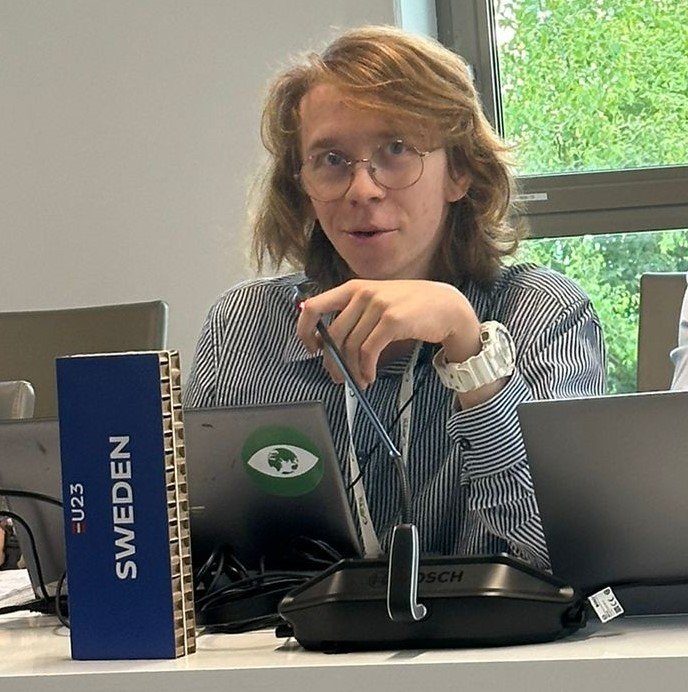
Axel Eriksson and Grzegorz credit Photo by IISD ENB Mike Muzurakis

In the autumn of 2024, the United Nations hosted three major summits addressing biodiversity, climate change, and desertification. These events were crucial for advancing global discussions on environmental challenges. Axel Eriksson, an engineering student from Lund and an advocate for environmental justice, shares his report on the outcomes of these critical meetings.

A Quick Overview

The Biodiversity COP in Colombia centred on how to implement the UN’s biodiversity plan in practice. It discussed progress measurement, funding for developing countries, and how Indigenous knowledge can guide harmonious living with nature. The Climate COP in Azerbaijan focused on scaling up financial support for developing countries’ climate action, while the Desertification COP in Saudi Arabia explored how to better involve marginalised groups in combating land degradation. Despite some progress, key decisions were delayed, and ambitions for transformative agreements were not fully realised.

Biodiversity COP in Colombia

This summit was dedicated to implementing the UN’s biodiversity plan. Key discussions included how to measure progress and determine the scale and type of financing that developed countries should provide to developing nations for conservation and restoration efforts. The role of Indigenous knowledge was a central theme, with decisions made to respect and learn from Indigenous ways of living in harmony with nature. A significant outcome was the establishment of a fund to ensure equitable access to and use of genetic resources, such as seeds. The conference also decided to create a new body focused on Indigenous peoples. However, many critical issues were postponed until February 2025, reflecting the complexity of these negotiations.

Climate COP in Azerbaijan

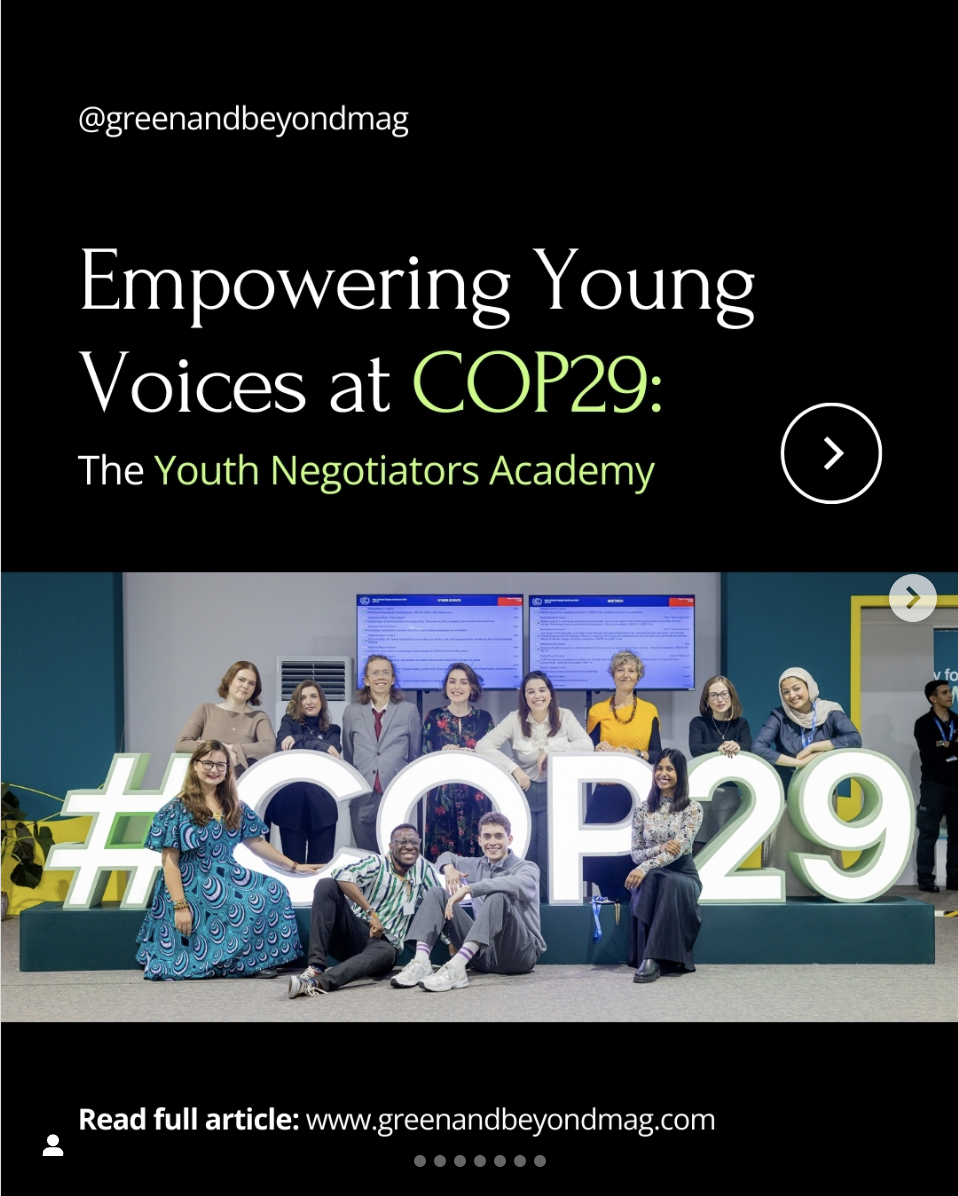
Instagram post by Young Negotiators' Academy

Instagram post by Young Negotiators' Academy

At the Climate COP, the primary focus was on financing for climate action. Developed countries reaffirmed their commitment under the Paris Agreement to provide $100 billion annually to developing nations from 2020 to 2025. A major outcome of this meeting was the agreement to scale up this funding to $300 billion per year starting in 2035. Progress was also made in defining how countries should measure their adaptation efforts. However, there was significant resistance to mentioning fossil fuels in any decisions, illustrating the ongoing tension around transitioning away from carbon-intensive energy sources.

Desertification COP in Saudi Arabia

The Desertification COP was the largest meeting ever held under the UN Convention to Combat Desertification. One of the key outcomes was a stronger emphasis on involving Indigenous peoples, civil society, youth, and other groups that are both heavily impacted by land degradation and vital to addressing this crisis. Financial commitments were made from developed to developing countries, but these remained much smaller in scale compared to the climate convention. While hopes were high for a new framework or protocol under this convention, no agreement was reached, though the groundwork for future negotiations was established.

Next Steps and Future Events

Important follow-up meetings are already planned to continue these discussions. The Biodiversity Convention will hold an extraordinary session in Rome in February 2025 to address unresolved issues. The next Climate COP will take place in Brazil in autumn 2025, focusing on countries’ updated plans for achieving Paris Agreement goals. Meanwhile, the Desertification Convention will hold a smaller meeting next autumn, with the next major summit planned for 2026 in Mongolia.

About Axel Eriksson

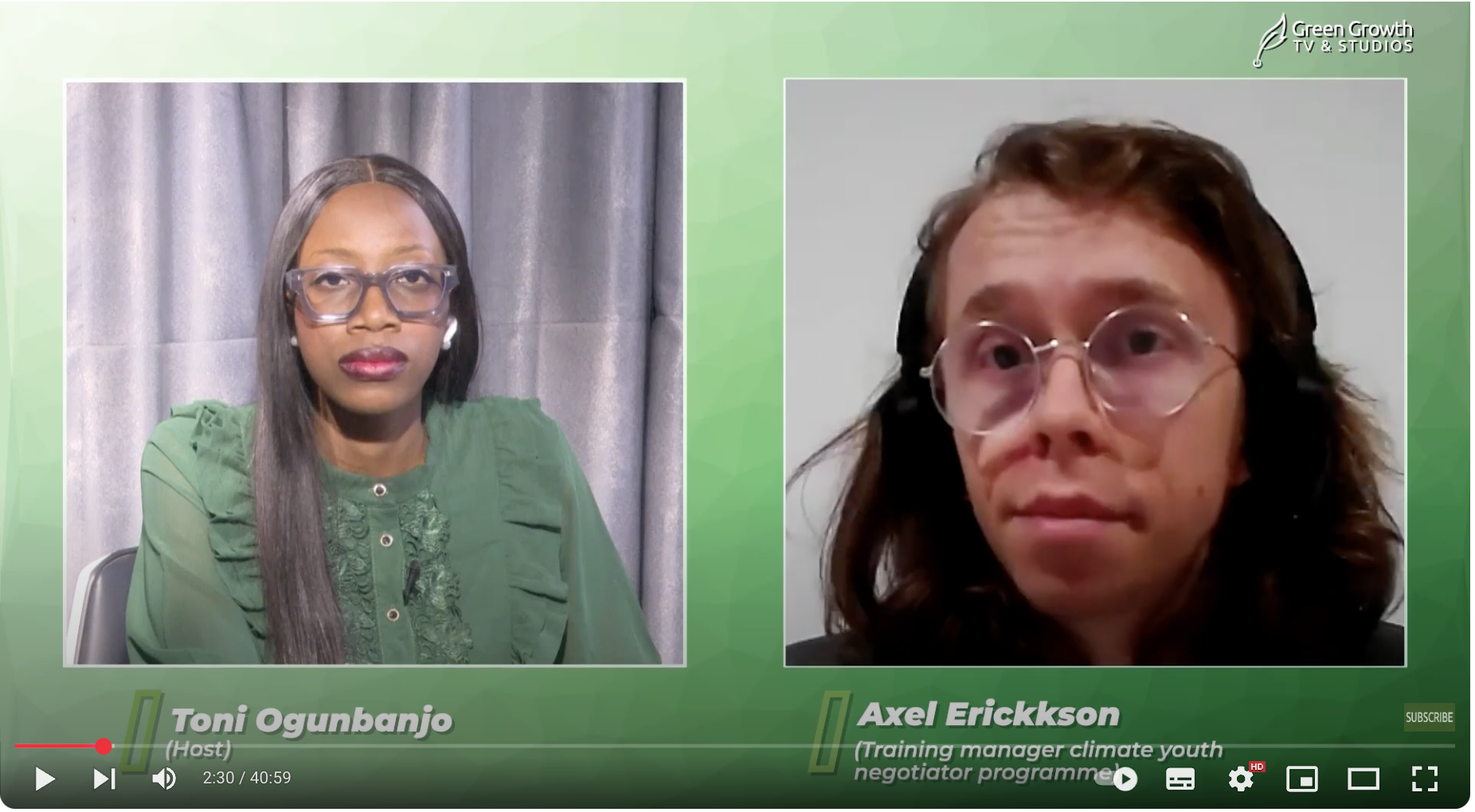
Headshot COP29 credit Jervon Sands

Axel Eriksson is an engineering student at Lund University and a committed advocate for environmental justice. While he did not represent Engineers Without Borders Sweden (EWB-SWE) at these events, he is a member of the organisation’s local student group in Lund. Axel’s passion for global environmental issues and his keen interest in justice shine through in his reflections, providing valuable insights into these critical UN summits.

We are thankful to Axel for sharing his experiences and for bringing the outcomes of these global discussions closer to our community.

For photo credits please each picture